
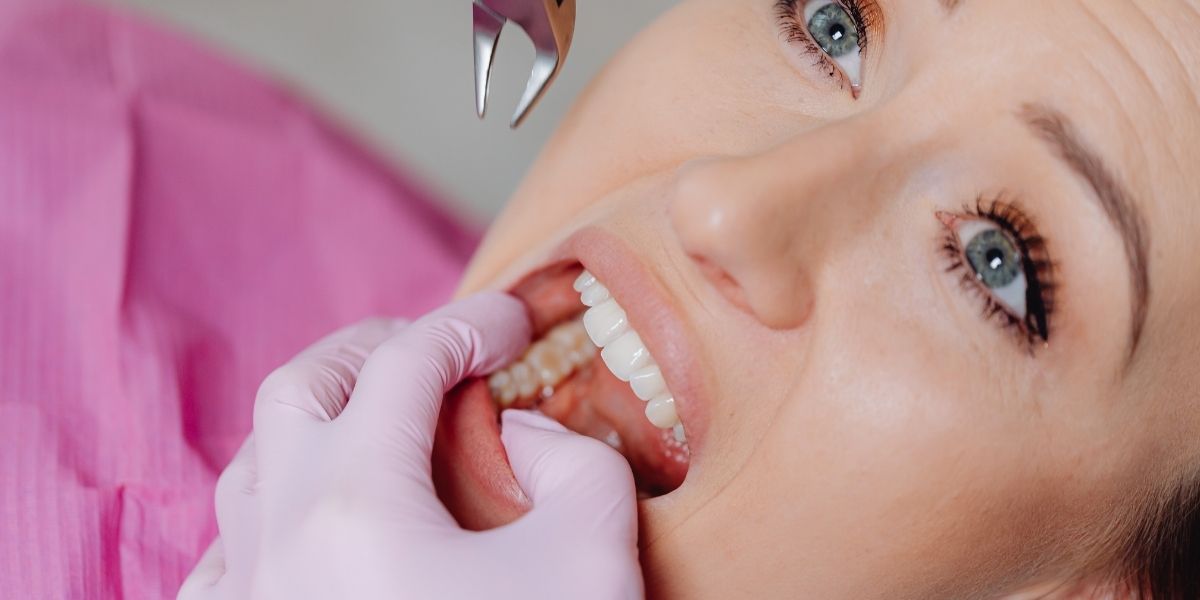
When Is a Tooth Extraction Necessary? Common Reasons Dentists Recommend Removal
Hearing the words “tooth extraction” can make anyone uneasy. Many people assume that removing a tooth is a last resort or a sign that something has gone seriously wrong. In reality, tooth extractions are a routine part of modern dentistry and are often recommended to protect your overall oral health, not harm it. Dentists carefully weigh all treatment options before suggesting removal, and the goal is always to prevent pain, infection, or long-term complications.
A tooth may look fine on the surface but still pose hidden risks beneath the gums or within the jawbone. Advances in imaging, diagnostics, and dental techniques allow providers to identify problems early and recommend treatment plans that support long-term comfort and function. Sometimes saving a tooth is possible, but in other cases, removal offers the safest and most predictable outcome.
Understanding why dentists recommend extractions can ease anxiety and help patients feel confident in their care decisions. From advanced decay to overcrowding, there are clear, medically sound reasons a dentist may suggest removing a tooth. Knowing the signs, the conditions involved, and what to expect afterward empowers patients to take an active role in maintaining a healthy smile.
Severe Tooth Decay That Cannot Be Repaired
One of the most common reasons for tooth extraction is extensive decay. When cavities progress beyond the enamel and dentin and reach the inner pulp, the tooth may become structurally unstable. Fillings or crowns may no longer provide adequate support. If bacteria spread deep into the tooth and surrounding bone, removal helps prevent ongoing infection and discomfort.
Advanced Gum Disease and Bone Loss
Periodontal disease affects the gums and bone that hold teeth in place. In advanced stages, the supporting structures weaken, causing teeth to loosen. Even if the tooth itself is healthy, severe bone loss can make it impossible to maintain stability. Extraction may be recommended to prevent further damage and to support future restorative options.
Impacted or Problematic Wisdom Teeth
Wisdom teeth often lack enough space to emerge properly. When they become impacted, partially erupted, or grow at an angle, they can cause pain, swelling, infections, or damage to nearby teeth. Removing wisdom teeth before complications worsen is a common preventive measure, especially in young adults.
Dental Infections That Threaten Overall Health
Untreated dental infections can spread beyond the tooth into the jaw, sinuses, or bloodstream. While root canal therapy can often resolve infections, extraction may be necessary when the infection is severe or the tooth cannot be adequately sealed. Prompt removal reduces the risk of serious health issues and ongoing pain.
Overcrowding and Orthodontic Treatment Needs
In some cases, extra teeth create crowding that affects bite alignment and oral hygiene. Dentists and orthodontists may recommend removing one or more teeth to create space for proper alignment. This approach can improve long-term function, reduce wear on remaining teeth, and support effective orthodontic outcomes.
Fractured or Traumatized Teeth Beyond Repair
Accidents, sports injuries, or biting down on hard objects can fracture teeth below the gumline. When a break extends into the root or compromises the tooth’s foundation, restoration may not be possible. Extraction helps eliminate pain and allows for replacement options such as implants or bridges.
Tooth extraction is never suggested lightly. Dentists rely on clinical evidence, imaging, and patient symptoms to determine whether removal is the safest and most effective option. Whether the cause is decay, gum disease, infection, crowding, or trauma, the purpose is always to protect your comfort and oral health. Early evaluation plays a critical role, as prompt care can often prevent more serious complications and reduce the need for urgent treatment.
If you are experiencing persistent pain, swelling, or changes in your bite, a professional evaluation can provide clarity and peace of mind. The team at Renova Smiles is committed to patient-focused care and clear guidance at every step. Schedule a consultation today to discuss your symptoms, explore treatment options, and take a confident step toward lasting oral health.


