
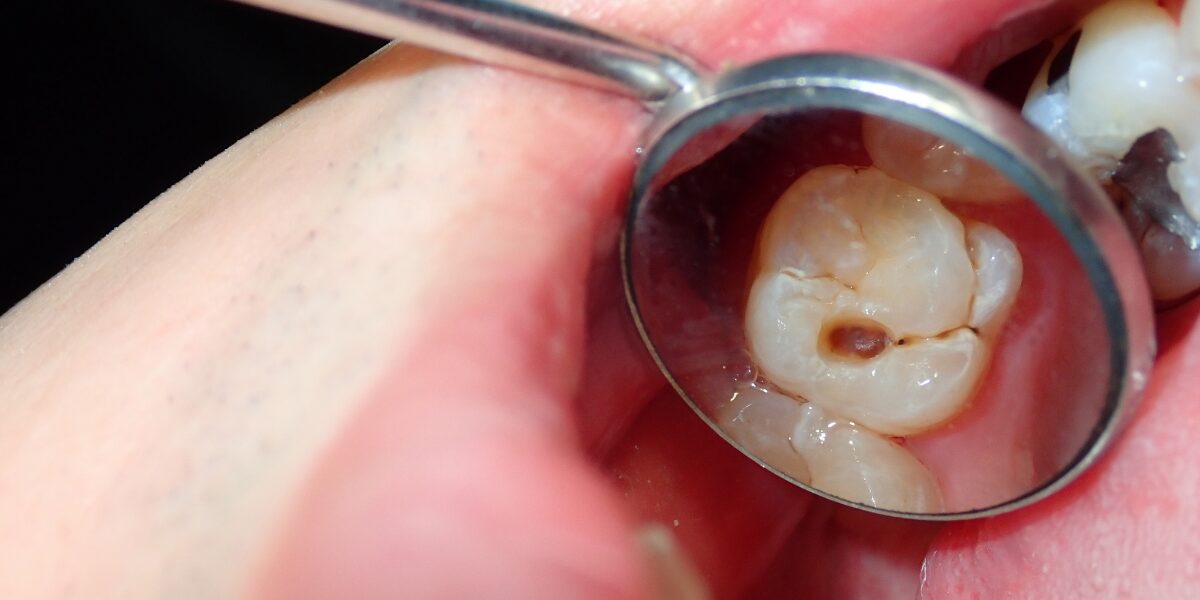
Ignoring a Cavity? Why Getting a Dental Filling Sooner Can Save Your Tooth
A small cavity can seem harmless at first. There may be no pain, no swelling, and no obvious disruption to daily life. Because of that, many people put off scheduling a dental visit, assuming the problem can wait. Unfortunately, tooth decay does not pause on its own. Once a cavity forms, it continues to grow deeper into the tooth structure, quietly weakening enamel and dentin until symptoms become impossible to ignore.
Dental fillings are one of the most common and effective treatments in modern dentistry, yet they are often delayed out of fear, cost concerns, or misunderstanding. What many patients do not realize is that timing plays a critical role in saving a tooth. Treating decay early with a filling is typically straightforward, comfortable, and cost-effective. Waiting too long can turn a simple procedure into a root canal, crown, or even tooth extraction.
Understanding how cavities progress and why early care matters empowers patients to make better decisions for their oral health. Acting sooner not only protects the tooth itself but also helps prevent pain, infection, and more invasive treatments down the road. Addressing decay early is one of the most reliable ways to preserve a natural smile for years to come.
How Cavities Form and Progress
Cavities begin when bacteria in the mouth feed on sugars and starches, producing acids that wear away tooth enamel. Over time, this erosion creates small openings in the tooth surface. In the early stages, decay is limited to enamel and may not cause discomfort.
As decay advances, it reaches the dentin, the softer layer beneath enamel. At this point, the cavity grows faster and sensitivity to hot, cold, or sweet foods may begin. Without treatment, bacteria can reach the pulp, where nerves and blood vessels are located, leading to significant pain and infection.
Why Early Cavities Often Go Unnoticed
Many people assume cavities always hurt, but early decay rarely causes symptoms. Enamel does not contain nerves, so damage can occur silently. This is why routine dental exams and X-rays are essential, even when teeth feel fine.
Ignoring early warning signs such as mild sensitivity or dark spots on teeth allows decay to spread. By the time pain develops, the cavity is usually advanced and requires more extensive care.
What a Dental Filling Really Does
A dental filling removes decayed material and restores the tooth’s structure. After cleaning the cavity, the dentist fills the space with a durable material, sealing it off from bacteria. This stops decay from spreading and helps the tooth function normally again.
Modern fillings are designed to blend naturally with teeth and withstand daily chewing forces. When placed early, fillings preserve most of the natural tooth, maintaining strength and stability.
Consequences of Delaying Treatment
Putting off a filling allows decay to deepen. As more tooth structure is lost, the risk of infection increases. Advanced decay often requires root canal therapy to remove infected pulp, followed by a crown to protect the weakened tooth.
In severe cases, the tooth may not be salvageable and must be removed. Tooth loss affects chewing, speech, and alignment, often leading to additional dental problems. Early fillings help avoid these outcomes.
Cost and Comfort Benefits of Early Fillings
Early treatment is usually quicker, simpler, and less expensive than advanced dental procedures. A small filling typically takes one visit and minimal recovery time. More advanced treatments involve higher costs, longer appointments, and additional follow-up care.
From a comfort standpoint, early fillings often require less numbing and cause minimal post-procedure sensitivity. Acting sooner reduces both physical discomfort and financial strain.
Long-Term Oral Health Protection
Treating cavities early supports overall oral health. Preserving natural teeth helps maintain proper bite alignment and prevents excess stress on surrounding teeth. It also lowers the risk of gum disease, abscesses, and systemic health issues linked to oral infections.
Consistent dental care and prompt treatment create a foundation for long-term tooth retention and a healthier smile.
Ignoring a cavity may seem like a minor choice, but it can have lasting consequences for oral health. Tooth decay does not heal on its own, and delaying care allows damage to spread deeper into the tooth. A dental filling performed early can stop decay, protect the tooth’s structure, and prevent pain, infection, and costly procedures. It is one of the most effective ways to preserve natural teeth and maintain comfortable daily function.
Regular dental visits and timely treatment make a meaningful difference in long-term outcomes. If a cavity has been identified or symptoms are beginning to appear, addressing the issue promptly is the smartest step forward. Scheduling an evaluation with Renova Smiles allows patients to receive professional guidance and timely care, helping protect their teeth and overall oral health for years to come.


