
How Long Does Teeth Whitening Last?
A brighter smile can change the way you feel about yourself. Teeth whitening is one of the most requested cosmetic dental treatments because it offers noticeable results in a short amount of time. Whether you are preparing for a special event or simply want to feel more confident in daily life, whitening can make a meaningful difference.
One of the first questions patients ask is simple: how long does teeth whitening last? The answer depends on several factors, including the type of treatment you choose, your daily habits, and how well you care for your teeth afterward. Some people enjoy results that last for years, while others may notice gradual fading within months.
Understanding what affects the longevity of whitening helps you set realistic expectations and protect your investment. With proper care and guidance from a dental professional, you can maintain a bright, healthy smile for as long as possible. Here is what you need to know about how long teeth whitening lasts and what influences your results.
1. Average Duration of Teeth Whitening Results
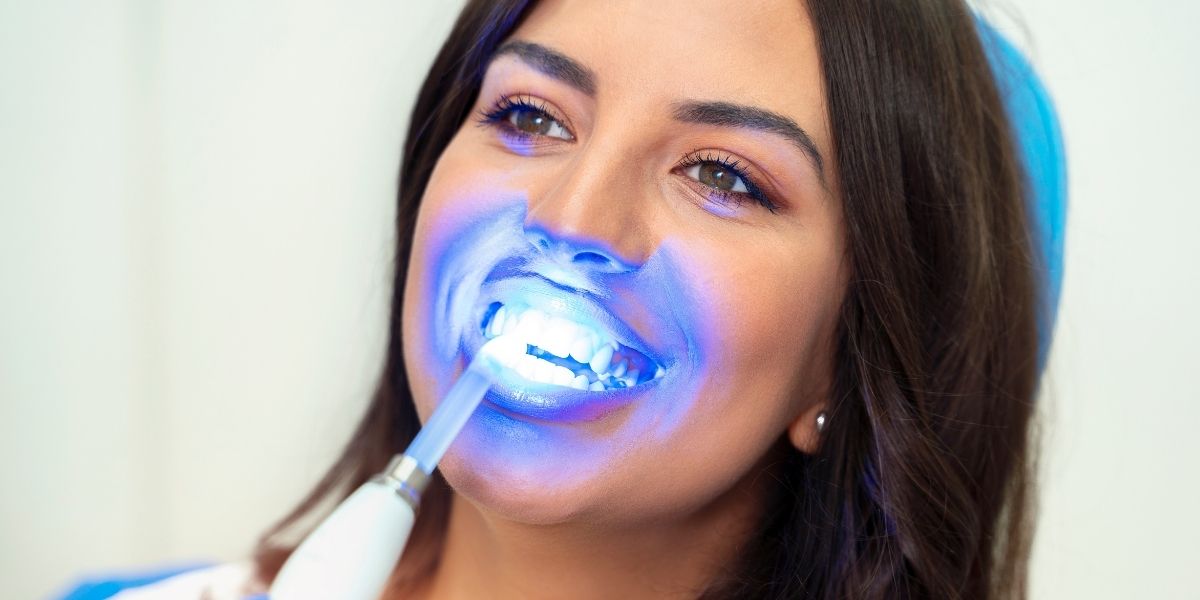
The length of time whitening lasts varies by treatment method. In-office professional whitening typically provides the longest-lasting and most dramatic results. Many patients enjoy a noticeably brighter smile for one to three years.
At-home whitening kits provided by a dentist can also produce excellent results, often lasting six months to two years. Over-the-counter products such as strips and trays generally offer more subtle changes and may last only a few months.
While these timelines are helpful guidelines, they are not guarantees. Teeth naturally darken over time due to aging and exposure to staining substances. Maintenance and lifestyle choices play a major role in how long your results remain visible.
2. Professional vs. Over-the-Counter Whitening
Professional whitening treatments are stronger and more controlled than store-bought options. Dentists use higher-concentration bleaching agents and protect the gums during the process. This leads to more even and longer-lasting results.
Over-the-counter products contain lower concentrations of whitening agents. While they can be effective for mild surface stains, they may not address deeper discoloration. Because the results are often less dramatic, fading may be more noticeable within a shorter time frame.
Choosing professional treatment also ensures that your teeth and gums are healthy before whitening begins, which supports both safety and long-term success.
3. Lifestyle Habits That Affect Longevity
Your daily habits strongly influence how long whitening lasts. Certain foods and drinks are known to stain teeth, including coffee, tea, red wine, dark sodas, and berries. Tobacco use is another significant contributor to discoloration.
If you frequently consume staining substances, your whitening results may fade more quickly. Using a straw for darker beverages, rinsing your mouth with water after meals, and limiting tobacco can help extend your results.
Even healthy habits like drinking green smoothies or eating tomato-based sauces can gradually affect tooth color. Being mindful of these choices makes a measurable difference over time.
4. The Role of Oral Hygiene
Consistent oral hygiene is one of the most important factors in maintaining a bright smile. Brushing at least twice a day with a fluoride toothpaste and flossing daily helps remove plaque and surface stains before they settle.
Professional dental cleanings every six months also support longer-lasting whitening. Hygienists remove hardened plaque and polish the teeth, helping preserve your results.
Some patients benefit from using a whitening toothpaste a few times a week. While these products do not replace professional treatment, they can help maintain brightness between touch-ups.
5. Natural Aging and Tooth Structure
Even with excellent care, teeth naturally change color as we age. The outer enamel layer gradually thins, revealing more of the yellow-toned dentin beneath it. This process is normal and cannot be completely prevented.
Because of these natural changes, whitening is not permanent. Periodic touch-ups are common and expected. The frequency of these touch-ups depends on your starting shade, lifestyle, and personal goals.
Understanding the biology behind tooth color helps set realistic expectations and reduces disappointment when gradual changes occur.
6. When to Consider a Touch-Up Treatment
Many patients choose to refresh their whitening once a year or before important events. A touch-up treatment is usually shorter and less intensive than the initial procedure.
Your dentist can recommend the best timing based on how your teeth respond. Some individuals require only occasional maintenance, while others benefit from more regular at-home trays.
If you notice uneven fading or new discoloration, a consultation can determine whether whitening is appropriate or if another cosmetic option may better address your concerns.
Teeth whitening can provide long-lasting results, but it is not permanent. Professional treatments often last one to three years, while at-home and over-the-counter options may require more frequent maintenance. The longevity of your results depends largely on your habits, oral hygiene routine, and natural aging. Avoiding staining substances, keeping up with dental cleanings, and following your dentist’s recommendations can significantly extend the brightness of your smile.
A personalized approach makes all the difference. If you are considering whitening or want to maintain your current results, scheduling a consultation allows you to receive guidance tailored to your needs. The dental team at Renova Smiles can evaluate your goals, recommend the most effective treatment plan, and help you maintain a confident, radiant smile for years to come.


