
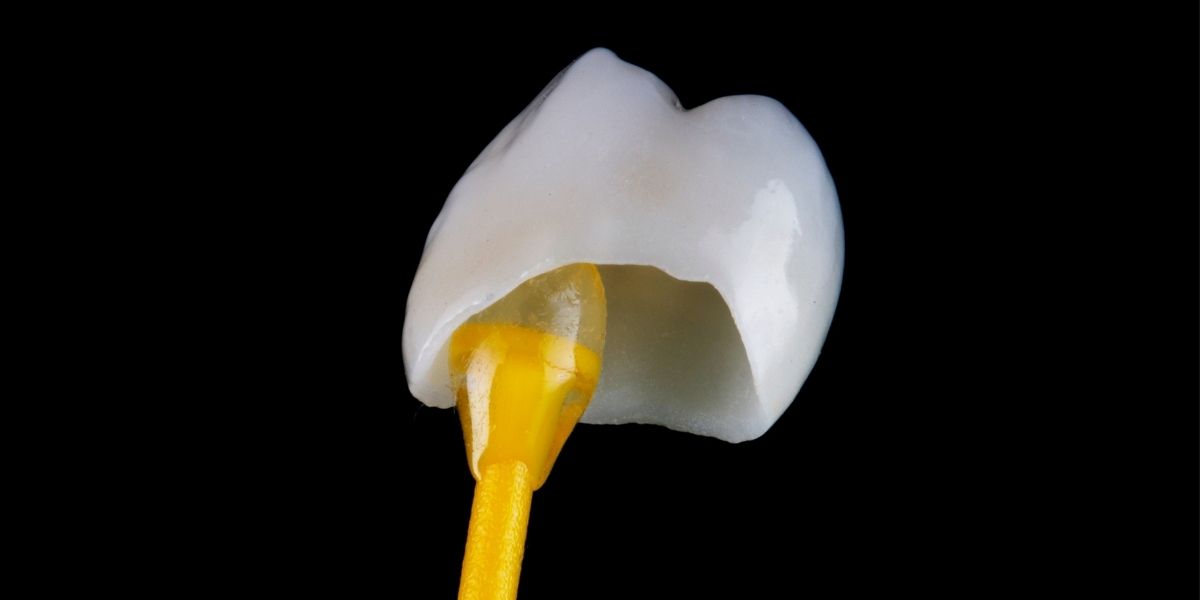
How Long Do Dental Crowns Last? Lifespan, Care Tips, and When to Replace Them
Dental crowns are one of the most dependable solutions for restoring damaged teeth. They provide strength, stability, and a natural appearance, allowing patients to return to comfortable chewing and confident smiling. Still, many people want to know how long their crown will last and what they can do to protect it. The truth is that a crown’s lifespan depends on several factors, from the material used and how well it’s maintained to personal habits and oral health conditions. With the right understanding and care, crowns can serve reliably for many years.
Crowns are built to withstand daily use, but like any restoration, they are not immune to wear. Knowing what influences longevity can help individuals make informed decisions about their oral health. Good home care, regular dental visits, and simple lifestyle adjustments all play a role in extending the life of a crown. Patients who understand these details feel more confident and prepared to maintain strong, lasting dental work. The following sections explain how long crowns typically last, what affects their durability, and how to identify when a replacement may be necessary.
Average Lifespan of Dental Crowns
Most dental crowns last 10 to 15 years, but many can reach 20 years or more with proper care. The material matters: porcelain, zirconia, metal, and porcelain-fused-to-metal each have different durability levels. While porcelain offers excellent aesthetics, zirconia is known for exceptional strength. Metal crowns tend to last the longest but are usually used for back teeth due to their noticeable appearance.
Factors That Influence Crown Longevity
A crown’s lifespan is shaped by both dental and lifestyle factors. Oral hygiene plays a major role, plaque buildup can affect the natural tooth under the crown and lead to decay, which may compromise the restoration. Habits such as teeth grinding, chewing ice, or using teeth as tools can also shorten its life. In addition, the quality of the crown placement and the health of the surrounding gum tissue contribute to long-term success.
Daily Care Tips to Help Crowns Last Longer
Routine brushing and flossing help keep the area around a crown clean and healthy. Using a soft-bristled toothbrush and non-abrasive toothpaste prevents unnecessary wear on the crown’s surface. Flossing carefully around the margins is essential to protect the underlying tooth. A mouthguard is often recommended for individuals who grind their teeth at night, helping prevent pressure that could fracture or loosen the crown.
Signs Your Crown May Need Attention
Crowns do not fail most of the time suddenly; they typically show signs of wear or damage. Patients may notice sensitivity when chewing, changes in bite alignment, or visible cracks. In some cases, the crown may feel loose or shift slightly. Discomfort near the gumline can signal decay beneath the crown. Any of these symptoms should prompt a dental appointment to assess whether repair or replacement is needed.
When a Dental Crown Should Be Replaced
Replacement becomes necessary when a crown is cracked, worn down, or no longer fits correctly. If decay develops underneath, removing the crown is the only way to treat the tooth properly. Gum recession can also expose the edges of a crown, creating gaps where bacteria can accumulate. Even if the crown looks intact, technological improvements and better materials available today may offer a stronger, longer-lasting replacement option.
How to Protect Your Investment Long-Term
Long-term success starts with consistent preventive care. Dental checkups allow early detection of minor problems before they become serious. Avoiding hard foods, maintaining good oral hygiene, and wearing a nightguard if recommended go a long way in protecting both the crown and surrounding teeth. Patients who follow these guidelines typically enjoy decades of dependable use from their crowns.
Dental crowns are designed to offer long-lasting protection and comfort, but their lifespan depends heavily on daily care, oral health habits, and timely professional visits. Understanding how long crowns usually last, recognizing early warning signs of wear, and following preventive strategies empowers individuals to safeguard their dental restoration for as many years as possible. For personalized guidance, examinations, or crown replacement options, schedule a visit with Renova Smiles to keep your smile strong and healthy.


