
Dental Cleanings and Checkups: The Simple Habit That Could Save Your Teeth
Most people brush their teeth every day and try to avoid too much sugar, yet many still develop cavities, gum disease, or tooth loss over time. One of the biggest reasons is that daily brushing alone cannot fully protect the mouth. Professional dental cleanings and routine checkups play a major role in keeping teeth and gums healthy for years to come.
Dental visits are not only about polishing teeth or taking X-rays. They are preventive appointments designed to catch small concerns before they become painful, expensive problems. A tiny cavity can often be treated quickly, while a neglected cavity may later require a root canal or extraction. Mild gum inflammation can improve with professional care, but untreated gum disease may eventually damage the bone supporting the teeth.
Many oral health conditions develop quietly. People may not notice symptoms until significant damage has already occurred. Regular checkups give dentists the chance to identify issues early, monitor changes, and guide patients toward healthier habits. Professional cleanings also remove hardened plaque and bacteria that brushing and flossing cannot fully eliminate at home.
Consistent dental care supports more than a healthy smile. Research continues to show strong links between oral health and overall health, including heart disease, diabetes, and inflammation throughout the body. A simple dental appointment every six months can make a lasting difference in comfort, appearance, confidence, and long-term wellness.
Why Professional Dental Cleanings Matter
Even with excellent brushing habits, plaque naturally builds up on teeth every day. Plaque is a sticky film filled with bacteria that feed on sugars and produce acids. Over time, these acids weaken tooth enamel and lead to cavities.
When plaque is not removed thoroughly, it hardens into tartar. Unlike plaque, tartar cannot be removed with a toothbrush or floss. It attaches firmly to the teeth and along the gumline, creating an ideal environment for bacteria to grow. Professional dental tools are necessary to remove these deposits safely.
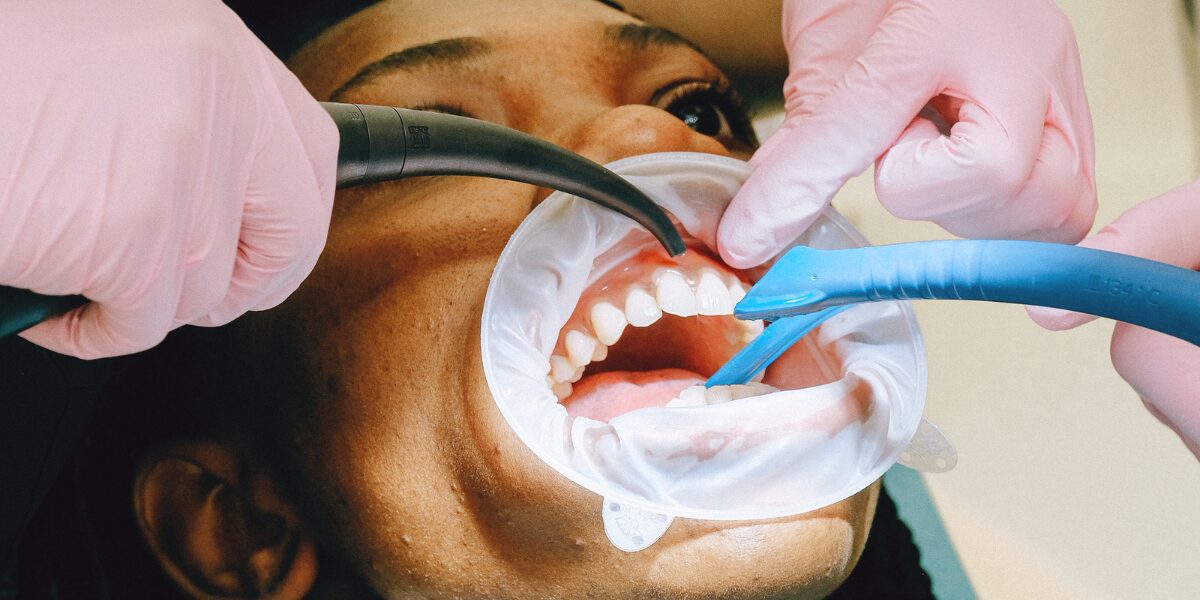
During a dental cleaning, a hygienist carefully removes plaque and tartar from difficult-to-reach areas. The teeth are then polished to remove surface stains and smooth the enamel. This process helps reduce bacteria buildup and leaves the mouth feeling fresh and clean.
Professional cleanings are especially important for preventing gum disease. Gum disease often begins with redness, swelling, and bleeding during brushing. Without treatment, the infection can spread deeper into the gums and bone. Regular cleanings help stop this progression before permanent damage occurs.
What Happens During a Dental Checkup
Many patients feel nervous about dental appointments because they are unsure what to expect. In reality, routine checkups are straightforward and focused on prevention.
A dental exam usually begins with a review of the patient’s oral health history and any current concerns. The dentist examines the teeth, gums, tongue, and other soft tissues inside the mouth. X-rays may be taken periodically to detect hidden problems such as cavities between teeth, bone loss, or impacted teeth.
The dentist also checks for signs of gum disease, worn fillings, cracked teeth, and oral cancer. Early detection is one of the most valuable parts of these visits. Small problems can often be treated quickly and comfortably before they become serious.
Patients also receive guidance based on their specific needs. Some may need advice about grinding their teeth at night, while others may benefit from improved flossing techniques or dietary changes that support oral health.
These appointments are an opportunity to ask questions and better understand how to care for the mouth between visits.
The Link Between Oral Health and Overall Health
The mouth is closely connected to the rest of the body. Poor oral health can contribute to broader health concerns, especially when inflammation and bacteria spread beyond the gums.
Gum disease has been associated with heart disease, diabetes, respiratory infections, and pregnancy complications. While oral bacteria do not directly cause every medical condition, ongoing inflammation may increase health risks over time.
People with diabetes are especially vulnerable to gum disease because elevated blood sugar levels can weaken the body’s ability to fight infection. At the same time, severe gum disease may make blood sugar harder to control. This creates a cycle that affects both oral and overall health.
Regular dental care may also help identify signs of certain medical conditions early. Dentists sometimes notice symptoms such as dry mouth, unusual sores, teeth grinding, acid erosion, or changes in gum tissue that may point to underlying health issues.
Maintaining oral health is not only about preserving teeth. It is part of supporting overall wellness and reducing unnecessary health complications later in life.
Common Problems Prevented by Routine Dental Visits
Skipping dental appointments may not seem harmful at first, especially if there is no pain. However, many dental conditions develop slowly and quietly.
Cavities
Cavities often begin as tiny weak spots in the enamel. Early cavities may not cause discomfort, but they continue to grow over time. Routine exams help dentists identify and treat decay before it reaches the deeper layers of the tooth.
Gum Disease
Gum disease is one of the leading causes of tooth loss in adults. Early treatment can often reverse mild gum inflammation before it progresses into advanced periodontal disease.
Tooth Loss
Untreated decay and gum disease eventually weaken the structures supporting the teeth. Preventive care greatly lowers the risk of losing teeth later in life.
Bad Breath
Persistent bad breath is frequently linked to bacteria buildup, gum infection, or untreated dental problems. Professional cleanings help reduce odor-causing bacteria and improve oral freshness.
Oral Cancer
Oral cancer screenings are a routine part of many dental checkups. Detecting suspicious changes early can improve treatment outcomes significantly.
How Often Should You Get Dental Cleanings?
For many people, visiting the dentist every six months works well. However, dental care is not one-size-fits-all. Some patients may benefit from more frequent visits depending on their oral health needs.
Individuals with gum disease, heavy tartar buildup, smoking habits, diabetes, or a history of frequent cavities may require cleanings every three to four months. Children may also need closer monitoring during certain stages of dental development.
People who avoid dental visits for years often believe they should wait until something hurts. Unfortunately, pain usually signals that the problem has already advanced. Preventive visits are far less stressful and more affordable than emergency treatments.
Consistency matters more than perfection. Even patients who struggle with flossing or occasionally miss brushing can still improve their oral health significantly by keeping regular dental appointments.
Tips for Maintaining Healthy Teeth Between Visits
Professional care works best when paired with good daily habits at home. Small routines practiced consistently can make a major difference over time.
Brush Properly Twice Daily
Use a soft-bristled toothbrush and fluoride toothpaste. Brush for at least two minutes, paying attention to the gumline and back teeth.
Floss Every Day
Floss removes plaque and food particles between teeth where toothbrushes cannot reach. Daily flossing helps reduce cavities and gum inflammation.
Limit Sugary Foods and Drinks
Frequent sugar exposure feeds harmful bacteria in the mouth. Reducing sugary snacks and acidic beverages helps protect enamel.
Drink Plenty of Water
Water supports saliva production and helps rinse away food particles and bacteria throughout the day.
Avoid Tobacco Products
Smoking and tobacco use increase the risk of gum disease, tooth loss, bad breath, and oral cancer.
Replace Your Toothbrush Regularly
A worn toothbrush becomes less effective at cleaning teeth. Replace it every three to four months or sooner if the bristles are frayed.
Conclusion
Dental cleanings and checkups may seem simple, but they are among the most important habits for protecting long-term oral health. These routine visits help prevent cavities, gum disease, tooth loss, and other serious concerns before they progress. They also support overall wellness by reducing harmful bacteria and identifying early signs of health issues that may otherwise go unnoticed. Consistent preventive care, combined with strong daily habits at home, allows people of all ages to keep healthier teeth and gums for years to come. Scheduling regular dental appointments is a practical step that can save time, discomfort, and costly treatment in the future. If it has been a while since your last dental visit, now is a good time to prioritize your oral health and schedule a professional checkup with Renova Smiles.


