
Cavities Getting Worse? Here’s Why You Shouldn’t Delay a Dental Filling
A small cavity might not seem like a big deal, especially when it does not hurt. You might notice a dark spot on a tooth, feel slight sensitivity when drinking something cold, or discover a cavity during a routine dental checkup. If your tooth feels fine, it can be tempting to put off treatment and schedule an appointment when it becomes more convenient. However, waiting too long to treat tooth decay can lead to problems that are much more difficult to manage.
Cavities develop when bacteria in your mouth produce acids that gradually damage your tooth enamel. Without proper treatment, decay can move deeper into the tooth, affecting the softer layer underneath and eventually reaching the dental pulp, where nerves and blood vessels are located. What begins as a relatively simple dental problem may eventually require more extensive treatment to relieve pain and protect the tooth.
A dental filling is one of the most common treatments for cavities. It removes the decayed portion of the tooth and fills the affected area with a suitable material to restore its shape and function. Treating a cavity early can help preserve your natural tooth, prevent further damage, and reduce the likelihood of needing more complicated procedures. Understanding why cavities worsen and when to seek treatment can help you make informed decisions about your oral health.
How Do Cavities Develop and Get Worse?
Tooth decay begins when plaque, a sticky film containing bacteria, builds up on the surfaces of your teeth. When you consume sugary or starchy foods, these bacteria produce acids that attack the enamel, the hard outer layer that protects your teeth.
Over time, repeated acid attacks can weaken the enamel and cause minerals to dissolve from its surface. This process is known as demineralization. In its earliest stages, the damage may appear as a white spot, which can sometimes improve with fluoride treatment and better oral hygiene.
However, once decay creates a cavity, the tooth has lost some of its natural structure. Brushing and flossing alone cannot restore the missing portion. Without appropriate treatment, bacteria can continue damaging the tooth and allow the cavity to grow.
Several factors can contribute to worsening decay, including frequent snacking, sugary drinks, inadequate brushing, insufficient fluoride exposure, and dry mouth. People who experience dry mouth may have a higher risk of cavities because saliva helps neutralize acids and wash away food particles.
Regular dental checkups help identify early signs of decay before they cause significant damage.
Why You Shouldn’t Wait Until a Cavity Hurts
One of the biggest misconceptions about cavities is that a tooth must hurt before it needs treatment. In reality, tooth decay can progress without causing noticeable symptoms, particularly during its early stages.
Enamel does not contain nerves, so damage limited to this outer layer may not cause pain. As decay moves into the dentin, the softer layer beneath the enamel, you may begin experiencing sensitivity to cold drinks, hot foods, or sweets.
If the decay reaches the pulp, inflammation can cause more severe symptoms, including persistent toothaches, throbbing pain, and discomfort when biting down.
Waiting for pain before visiting a dentist can allow a treatable cavity to become a more serious problem. Even if you have no symptoms, a dentist may identify decay during an examination or on dental X-rays.
Early treatment is generally more conservative because less tooth structure may need to be removed. Scheduling an appointment when a cavity is first identified can help protect your tooth before the damage progresses.
What Happens When You Delay a Dental Filling?
Delaying a recommended filling allows existing decay to continue damaging the tooth. Although the rate of progression varies depending on the individual and the location of the cavity, untreated decay can eventually lead to several complications.
Deeper tooth damage: As bacteria move through the enamel and dentin, the cavity may become larger. More of the tooth’s natural structure may need to be removed during treatment, and the remaining tooth may become weaker.
Increased sensitivity and pain: When decay approaches the pulp, teeth may become increasingly sensitive. You might notice discomfort when eating, drinking, or chewing. In some cases, pain can occur spontaneously or interfere with sleep.
Dental infection: If bacteria reach the pulp, the tissue can become inflamed or infected. An infection may lead to an abscess, a pocket of pus that can cause swelling, significant pain, and other complications.
More extensive treatment: A small cavity may be treated with a filling, but a tooth with extensive decay or pulp damage may require root canal treatment and a crown. If the tooth cannot be saved, extraction may be necessary.
Not every untreated cavity will progress at the same rate, but postponing treatment increases the opportunity for further damage. Addressing decay early can help reduce the risk of these complications.
How a Dental Filling Restores Your Tooth
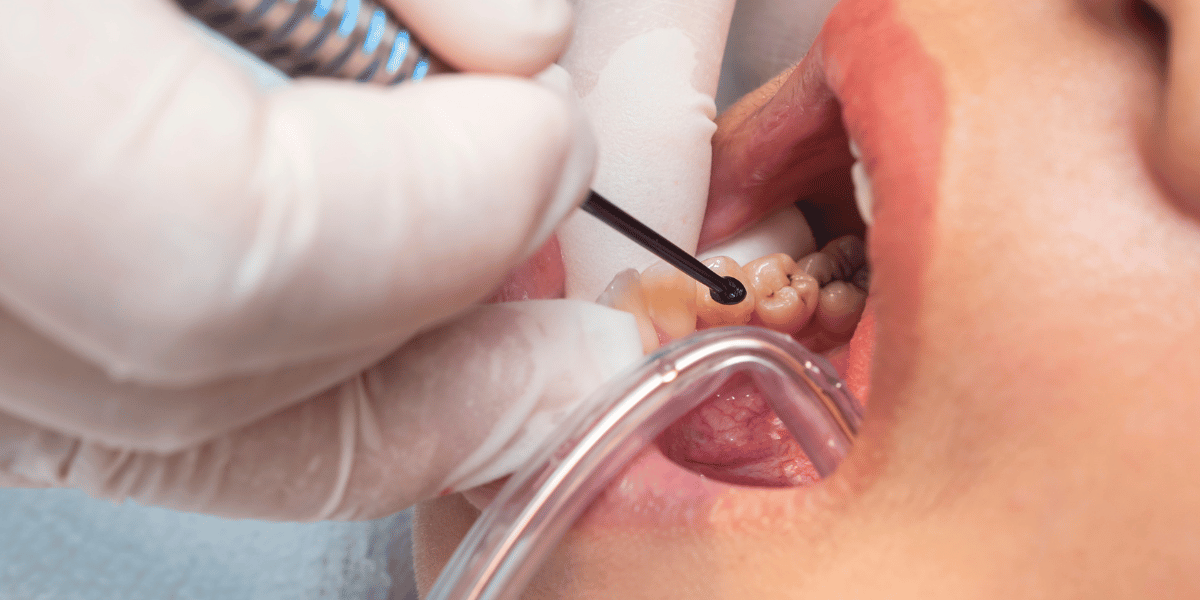
A dental filling repairs a tooth damaged by decay and helps restore its normal shape and function. During treatment, the dentist examines the affected tooth, determines the extent of the decay, and removes the damaged tissue before placing a suitable filling material.
Common filling materials include composite resin, which can be matched to the natural color of your teeth, and amalgam, a durable material made from a combination of metals. The most appropriate option depends on factors such as the location and size of the cavity, your oral health, and your dentist’s recommendations.
Once the filling is placed, the dentist shapes it to fit your bite and checks that your teeth meet comfortably when you close your mouth.
The procedure is usually straightforward, and local anesthesia can help minimize discomfort when needed. You may experience temporary sensitivity after treatment, but this often improves as the tooth settles.
A filling does not make the tooth immune to future decay. Good oral hygiene, fluoride use, and regular dental visits remain important for protecting the repaired tooth and the surrounding teeth.
Signs That You May Need a Dental Filling
Cavities do not always cause obvious symptoms, but certain changes can indicate that you should schedule a dental examination.
Watch for these possible warning signs:
- Tooth sensitivity: Discomfort when consuming hot, cold, or sweet foods and drinks may indicate damage to the tooth.
- Visible spots or holes: White, brown, or black areas may be signs of decay, although discoloration can also have other causes.
- Pain when chewing: Discomfort when biting down may indicate a cavity or another dental problem.
- Food getting trapped: Food that repeatedly collects in a particular area may indicate a cavity or a gap between teeth.
- Persistent toothache: Ongoing or spontaneous pain may suggest that decay has progressed deeper into the tooth.
These symptoms do not automatically mean you need a filling. Tooth sensitivity and pain can have several causes, including gum recession, cracks, and other dental conditions. A dentist can determine the underlying problem through an examination and, when appropriate, dental X-rays.
Seek prompt dental care if you experience worsening pain or swelling. Facial swelling accompanied by difficulty breathing or swallowing requires emergency medical attention.
How to Prevent Cavities From Getting Worse
Although not every cavity can be prevented, consistent oral care can lower your risk of developing new cavities and help protect your existing teeth.
Brush twice daily with fluoride toothpaste. Fluoride strengthens enamel and supports remineralization, helping your teeth resist acid attacks. Use a soft-bristled toothbrush and clean all tooth surfaces carefully, including the gumline and the back teeth.
Floss daily to remove plaque and food particles from between your teeth, where a toothbrush may not reach effectively. If you have difficulty using traditional floss, ask your dentist whether an interdental cleaner or water flosser would suit your needs.
Pay attention to how often you consume sugary foods and drinks. Frequent exposure to sugar gives cavity-causing bacteria more opportunities to produce acids. Drinking water throughout the day and limiting frequent sugary snacks can help reduce this risk.
Regular dental checkups are equally important. Your dentist can identify early decay, monitor areas of concern, and recommend preventive treatments based on your needs.
Most importantly, follow through with recommended treatment. If your dentist identifies a cavity that requires a filling, scheduling the procedure promptly can help prevent the damage from becoming more extensive.
Conclusion
A cavity that does not hurt can still cause lasting damage if left untreated. As decay progresses, it can weaken the tooth, trigger sensitivity and pain, and eventually lead to infection or the need for more extensive dental treatment. A dental filling can repair a tooth affected by decay, restore its function, and help prevent further damage when treatment is provided at the appropriate stage. Paying attention to early warning signs, maintaining good oral hygiene, and attending regular dental checkups are essential steps toward protecting your smile. You do not have to wait for a toothache before seeking professional care. If you have noticed signs of a cavity or have been advised to get a filling, schedule an appointment with Renova Smiles today to have your teeth examined and discuss the treatment options that best suit your needs. Taking action now can help you protect your natural teeth and avoid more extensive dental procedures in the future.


