
Afraid of the Dentist? How Nitrous Oxide Helps Patients Relax Instantly
For some people, a dental appointment brings more than the usual reminder to brush and floss. The sound of dental instruments, the anticipation of discomfort, or simply sitting in the dental chair can trigger genuine fear and anxiety. Dental anxiety is common, and it can sometimes become strong enough to make people postpone or avoid necessary dental care. Fortunately, patients do not always have to endure overwhelming fear during treatment.
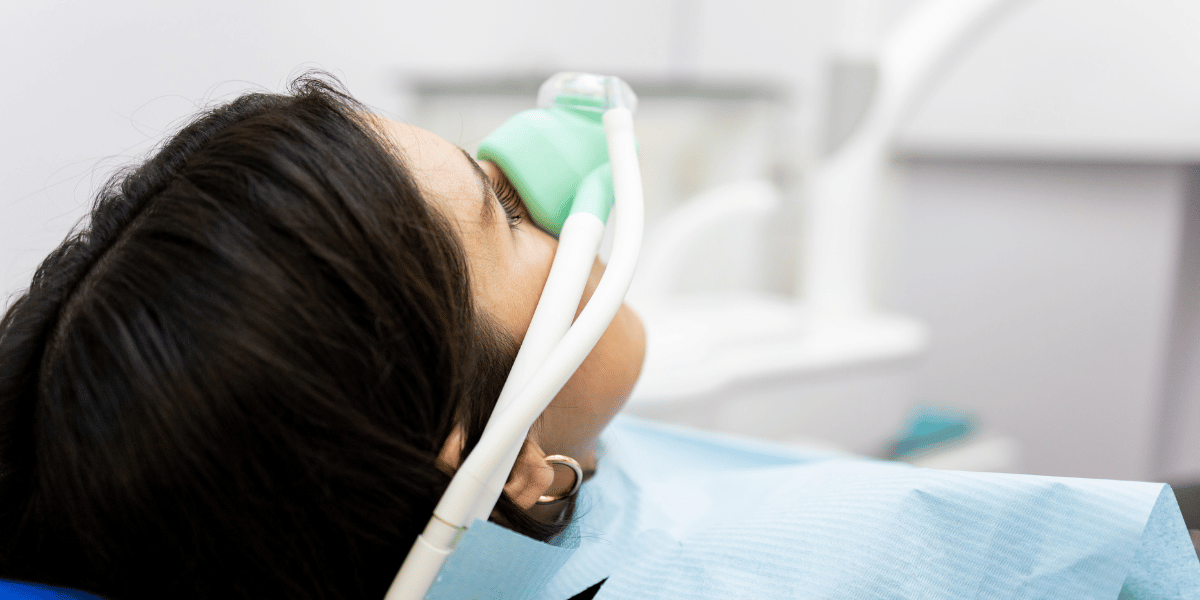
Nitrous oxide, often called “laughing gas,” is one option dentists may use to help patients feel calmer and more comfortable. It is a mild form of inhaled sedation that works quickly and is administered through a small mask placed over the nose. Patients remain awake and can generally communicate with the dental team throughout treatment.
Understanding how nitrous oxide works can make the idea of sedation feel less intimidating. It does not put most patients completely to sleep, and its effects typically begin within minutes. For people who feel nervous about dental treatment, this can make it easier to sit comfortably, cooperate with the dentist, and complete needed care.
What Is Nitrous Oxide Sedation?
Nitrous oxide is a colorless, odorless gas that is mixed with oxygen and inhaled through a small nasal mask. In dentistry, it is commonly used as a mild sedation method for patients who experience nervousness, fear, or difficulty remaining comfortable during treatment.
The goal is not necessarily to make patients unconscious. Instead, nitrous oxide produces a relaxed, calm feeling while allowing the patient to remain conscious and responsive. Some people describe feeling light, warm, or pleasantly detached from their surroundings.
The amount administered can be adjusted by the dental professional according to the patient’s needs and response. Because the gas is inhaled rather than taken as a pill or injected medication, its effects can usually be adjusted during the appointment.
How Does Nitrous Oxide Help With Dental Anxiety?
Dental anxiety can cause both emotional and physical reactions. A nervous patient may experience a racing heart, tense muscles, sweating, shallow breathing, or an intense urge to leave the treatment room.
Nitrous oxide can help reduce the intensity of these reactions by producing a sense of relaxation. As the patient breathes the gas, the calming effect generally develops within a few minutes. Many patients remain aware of what is happening but feel less bothered by the sights, sounds, and sensations associated with treatment.
This distinction is important. Nitrous oxide is not intended to erase awareness or memory in the same way that deeper forms of sedation may. Instead, it can make the experience feel more manageable for patients who are nervous about receiving dental care.
What Does Nitrous Oxide Feel Like?
One reason patients may feel less anxious about nitrous oxide is that there is no complicated preparation involved for many routine cases. The dentist places a small mask over the patient’s nose and asks them to breathe normally.
As the gas takes effect, patients may notice a sense of calm or lightness. Some report feeling warm, tingly, or slightly dreamy. Others simply notice that they are less concerned about the procedure.
The experience varies from person to person. Some patients may feel very relaxed, while others notice only a subtle difference. The dental team can monitor the patient throughout treatment and adjust the amount when appropriate.
Despite its nickname, “laughing gas,” patients do not necessarily laugh or behave unusually. The primary purpose is relaxation, not entertainment.
Does Nitrous Oxide Put You to Sleep?
Nitrous oxide is considered a form of minimal sedation when used appropriately. Most patients remain awake and can respond to questions or follow simple instructions.
This makes it different from general anesthesia, which causes unconsciousness and requires much more extensive monitoring and preparation. Nitrous oxide is also different from some oral or intravenous sedation techniques that may produce a deeper level of sedation.
Because patients remain conscious, nitrous oxide can be particularly useful for individuals who are nervous about losing control during a dental procedure. They can still communicate with the dentist if they feel uncomfortable or need something explained.
The dentist will determine whether nitrous oxide is appropriate based on the patient’s health, medical history, medications, procedure, and level of anxiety.
How Quickly Does Nitrous Oxide Wear Off?
One of the practical advantages of nitrous oxide is how quickly its effects generally subside after administration stops. At the end of treatment, the dentist typically stops the nitrous oxide and provides oxygen for a short period.
Because nitrous oxide leaves the body relatively quickly through the lungs, many patients feel back to their normal state soon after the appointment. However, recovery requirements can vary depending on whether other medications or forms of sedation were used.
Patients should always follow their dentist’s specific instructions regarding eating, drinking, driving, and returning to normal activities. The dental team can explain what to expect based on the planned treatment and the type of sedation being provided.
Who May Benefit From Nitrous Oxide?
Nitrous oxide may be considered for patients who experience mild to moderate dental anxiety, have a strong gag reflex, have difficulty sitting comfortably during treatment, or feel particularly nervous about certain dental procedures.
It may also be useful for some children who can understand and cooperate with the instructions needed to breathe through the nasal mask. However, not every child or adult is an appropriate candidate.
Certain medical conditions, medications, pregnancy status, respiratory concerns, and other health factors may affect whether nitrous oxide is suitable. A dentist should review the patient’s medical history before recommending sedation.
Most importantly, patients should feel comfortable discussing their fears openly. Telling the dental team about specific concerns gives them an opportunity to explain the procedure, establish signals for communication, and determine whether nitrous oxide or another approach may be appropriate.
Making Dental Visits More Comfortable
Fear of dental treatment does not mean a person is weak or overly sensitive. Dental anxiety can develop for many reasons, including previous uncomfortable experiences, fear of pain, embarrassment about oral health, or uncertainty about what will happen during treatment.
Nitrous oxide is one tool dentists can use to address that anxiety. Combining sedation with clear communication can make an important difference. A dentist may explain each step before beginning, agree on a hand signal for pauses, use appropriate local anesthesia, and check on the patient’s comfort throughout the appointment.
When patients know they can communicate with the dental team and have a plan for managing anxiety, treatment can feel much more predictable and manageable.
Conclusion
Being afraid of the dentist should not prevent you from receiving the oral care you need. Nitrous oxide can provide a gentle form of sedation that helps many patients feel calmer while remaining awake and responsive throughout treatment. Its rapid onset and relatively quick recovery make it a practical option for certain dental procedures, although suitability depends on each patient’s health and individual circumstances. The most important first step is to tell your dental team about your anxiety rather than silently enduring it or avoiding appointments altogether. They can discuss your concerns, review your medical history, explain available comfort measures, and determine whether nitrous oxide is appropriate for you. If dental anxiety has been keeping you from getting the care you need, contact Renova Smiles today to discuss your concerns and schedule a consultation.


