
7 Shocking Benefits of Invisalign Every Adult Should Know Before Starting Treatment
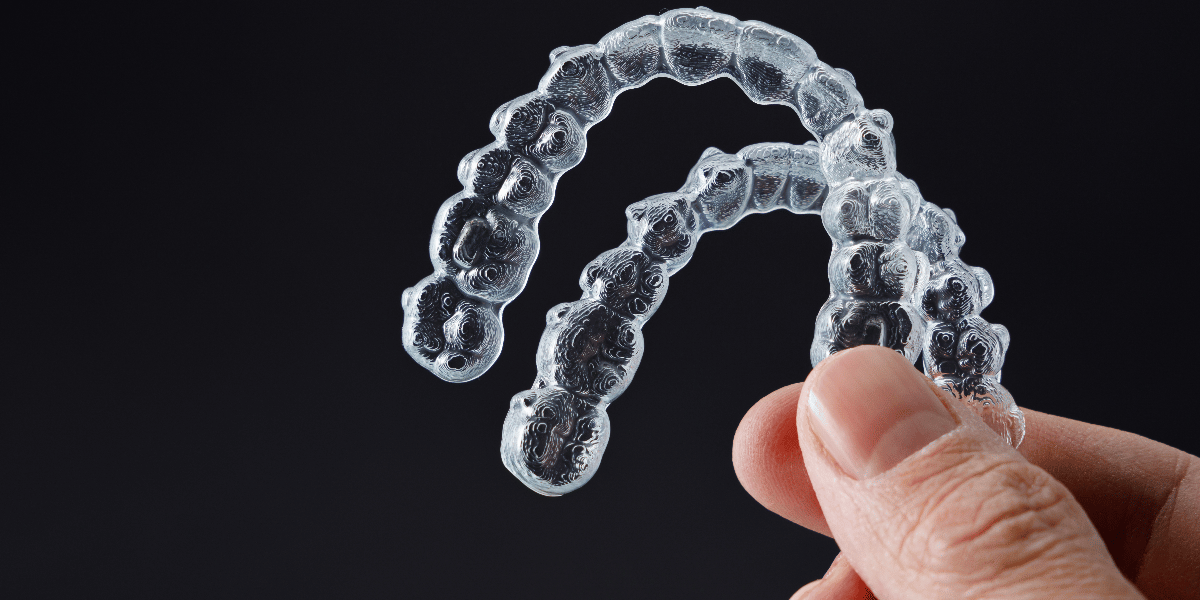
Thinking about straightening your teeth as an adult but worried about wearing traditional braces? You are not alone. Many adults want a straighter smile but hesitate because they associate orthodontic treatment with metal brackets, uncomfortable wires, and noticeable changes to their appearance. Fortunately, modern orthodontics offers another option: Invisalign clear aligners. These custom-made, transparent trays gradually move teeth into their planned positions without the brackets and wires associated with traditional braces.
However, the benefits of Invisalign go beyond appearance. For adults balancing professional responsibilities, family commitments, and busy schedules, clear aligners offer practical advantages that can make orthodontic treatment easier to manage. They can also support better oral hygiene habits, provide more flexibility during meals, and help address certain bite problems when treatment is planned appropriately.
Before committing to treatment, it is important to understand what Invisalign can realistically accomplish, how it fits into your daily routine, and whether it is suitable for your dental needs. Although clear aligners offer several advantages, they require consistent wear and professional supervision to produce the intended results.
Understanding these benefits can help you decide whether Invisalign is the right choice for your smile goals. Here are seven important advantages every adult should know before beginning treatment.
Clear Aligners Offer a More Discreet Way to Straighten Teeth
One of the biggest reasons adults choose Invisalign is its subtle appearance. Traditional braces use metal or ceramic brackets attached to the teeth, connected by wires that gradually guide them into position. Invisalign uses transparent plastic aligners designed to fit closely over the teeth.
Because the trays are clear, they are generally less noticeable during conversations, meetings, and social activities. This can be particularly appealing to professionals who regularly interact with clients, attend presentations, or participate in video conferences.
Why Appearance Matters During Adult Orthodontic Treatment
Adults may feel more self-conscious about wearing braces than teenagers, especially when their careers involve frequent face-to-face communication. Clear aligners provide an alternative that allows many patients to undergo treatment without drawing as much attention to their teeth.
However, Invisalign is not completely invisible. The aligners may reflect light, and some treatment plans use small, tooth-colored attachments to help move teeth more effectively. These attachments can be visible at certain angles.
Even so, the discreet design makes Invisalign an attractive option for adults who want to improve their smile while maintaining a natural appearance throughout treatment.
You Can Remove Aligners When Eating and Drinking
Traditional braces can make eating certain foods difficult. Sticky candy, hard snacks, and crunchy foods may damage brackets or become trapped around wires. Patients with braces often need to adjust their diets to avoid these problems.
Invisalign offers greater flexibility because the aligners are removable. You can take them out before meals and enjoy a wider variety of foods without worrying about damaging the trays while chewing.
How Removable Aligners Fit Into Your Daily Routine
You do not need to eliminate your favorite foods simply because you are receiving orthodontic treatment. Whether you prefer fresh fruit, sandwiches, vegetables, or crunchy snacks, you can generally continue eating them after removing your aligners.
There is one important requirement: remove your trays before eating and before drinking anything other than plain water. Hot beverages can distort the plastic, while sugary or acidic drinks trapped beneath the aligners may contribute to tooth decay or enamel damage.
After eating, brush your teeth when practical before putting the trays back in. If brushing is temporarily unavailable, rinse your mouth thoroughly with water.
For the best results, most patients need to wear Invisalign for approximately 20 to 22 hours daily. This means meals and snacks must fit within a limited amount of time without compromising the recommended wear schedule.
Oral Hygiene Can Be Easier to Maintain
Keeping teeth clean is essential during orthodontic treatment. Traditional braces create additional areas where food particles and plaque can accumulate, making brushing and flossing more challenging.
Invisalign eliminates brackets and wires, allowing you to remove the trays and clean your teeth as usual. This makes it easier to brush every tooth surface and floss between teeth without working around orthodontic hardware.
Protecting Your Teeth and Gums During Treatment
Plaque buildup can contribute to cavities, gum inflammation, and unpleasant breath. With removable aligners, you can continue using your preferred toothbrush, fluoride toothpaste, and dental floss as part of your regular oral hygiene routine.
However, easier cleaning does not automatically guarantee healthier teeth. You still need to brush twice daily, floss regularly, and attend professional dental appointments as recommended.
The aligners themselves also require cleaning. Rinse them regularly and follow your orthodontist’s instructions for cleaning products and techniques. Avoid using hot water, which can distort their shape.
Another important consideration is putting aligners back over unclean teeth. Food debris and sugars trapped beneath the trays can remain in contact with your enamel for extended periods.
By combining removable aligners with consistent oral hygiene, adults can help protect their teeth and gums throughout orthodontic treatment.
Invisalign Can Improve Certain Bite Problems
Straight teeth are not the only goal of orthodontic treatment. The way your upper and lower teeth meet also matters. When teeth do not align properly, the resulting bite problem can affect chewing, tooth wear, and overall oral function.
Depending on the diagnosis, Invisalign may help correct several orthodontic concerns, including mild to moderate crowding, gaps between teeth, certain overbites, underbites, and crossbites.
Why Proper Tooth Alignment Matters
Crowded or overlapping teeth can create areas that are difficult to clean. Gaps may affect appearance and, in some cases, contribute to food becoming trapped between teeth. Certain bite problems can also place uneven pressure on particular teeth.
By applying controlled forces, clear aligners gradually move teeth toward planned positions. Attachments, elastics, or other orthodontic techniques may be needed to achieve specific movements.
However, Invisalign is not suitable for every orthodontic problem. Severe bite discrepancies, significant jaw alignment concerns, and some complicated tooth movements may require braces or other treatment approaches.
An orthodontic evaluation helps determine whether clear aligners can achieve your goals safely and predictably. The right treatment depends on your dental condition, not simply on which option looks more appealing.
Fewer In-Person Adjustments May Fit Your Busy Schedule
Adults often juggle demanding work schedules, family responsibilities, and personal commitments. Frequent orthodontic appointments can become difficult to coordinate, particularly when traveling to a dental office requires significant time.
Invisalign treatment generally involves fewer adjustment visits than some traditional braces treatments because patients receive a series of aligners that they change according to their prescribed schedule.
What to Expect From Invisalign Appointments
Your dentist or orthodontist will examine your teeth, develop a treatment plan, and provide instructions for wearing and changing your aligners. Follow-up appointments allow the provider to monitor tooth movement, check your oral health, and address any concerns.
The frequency of visits varies depending on your treatment plan and progress. Some patients may also need additional appointments if aligners stop fitting correctly or refinements become necessary.
Although fewer appointments can make treatment more convenient, Invisalign is not a completely hands-off process. You must follow your provider’s instructions, wear your trays consistently, and report problems promptly.
Some practices may offer virtual check-ins when appropriate, but these do not replace every necessary in-person examination.
For adults with demanding schedules, the combination of planned aligner changes and periodic professional monitoring can make orthodontic care easier to coordinate.
The Smooth Plastic Design May Reduce Irritation
Traditional braces use brackets and wires that can rub against the cheeks, lips, and other soft tissues inside the mouth. This friction may cause irritation, particularly after braces are first placed or adjusted.
Invisalign aligners are made from smooth plastic and are custom-designed to fit your teeth. Without metal brackets or protruding wires, many patients experience less irritation to their cheeks and lips.
Understanding Comfort During the Adjustment Period
Although clear aligners can be comfortable, they are not completely free of discomfort. You may experience pressure or tenderness when starting a new set of trays because the aligners are applying forces to move your teeth.
This sensation is usually temporary and may be more noticeable during the first few days of a new aligner.
Some patients also experience minor irritation along the edges of their trays or temporary changes in speech as they adjust to wearing them.
If an aligner feels unusually painful, has a sharp edge, or does not fit properly, contact your dental provider rather than attempting to make major adjustments yourself.
The important distinction is that Invisalign can reduce certain sources of irritation associated with braces, but tooth movement itself can still cause discomfort. Understanding this before treatment begins helps establish realistic expectations.
A Straighter Smile May Support Long-Term Dental Health
A straighter smile can improve appearance, but the potential benefits may extend to everyday oral function. Depending on your starting dental condition, correcting crowding and certain bite problems may make some teeth easier to clean and help distribute biting forces more appropriately.
For adults who have struggled with overlapping teeth or specific alignment problems, orthodontic treatment may be an important part of a broader dental care plan.
Maintaining Your Results After Invisalign
It is important to understand that straight teeth do not automatically prevent cavities, gum disease, or other oral health problems. Good brushing, flossing, professional cleanings, and routine dental examinations remain essential.
Your long-term results also depend on retention. Teeth naturally tend to shift after orthodontic treatment, particularly during the first months after the aligners are completed.
Your dentist or orthodontist will typically recommend retainers to help maintain your new tooth positions. Wearing them according to instructions is essential because skipping retainer use can allow teeth to move back toward their previous alignment.
Invisalign can be a valuable investment in your smile when treatment is appropriate and followed by consistent aftercare. The goal is not simply to achieve straighter teeth but to maintain the results for years to come.
Conclusion
Invisalign offers several advantages that make orthodontic treatment appealing to adults, from discreet tooth alignment and flexible meal choices to easier oral hygiene and potentially fewer in-person adjustments. Its smooth, removable design can also make daily life more comfortable while allowing patients to address certain alignment and bite concerns. However, clear aligners require discipline, consistent wear, regular dental supervision, and proper retainer use after treatment. They are not suitable for every orthodontic condition, so a professional assessment is essential before making a decision. Understanding your treatment options, expected timeline, and long-term responsibilities will help you approach the process with confidence. If you are ready to explore whether clear aligners are right for your smile, contact Renova Smiles today to schedule a consultation and discuss your Invisalign treatment options with a dental professional.


