
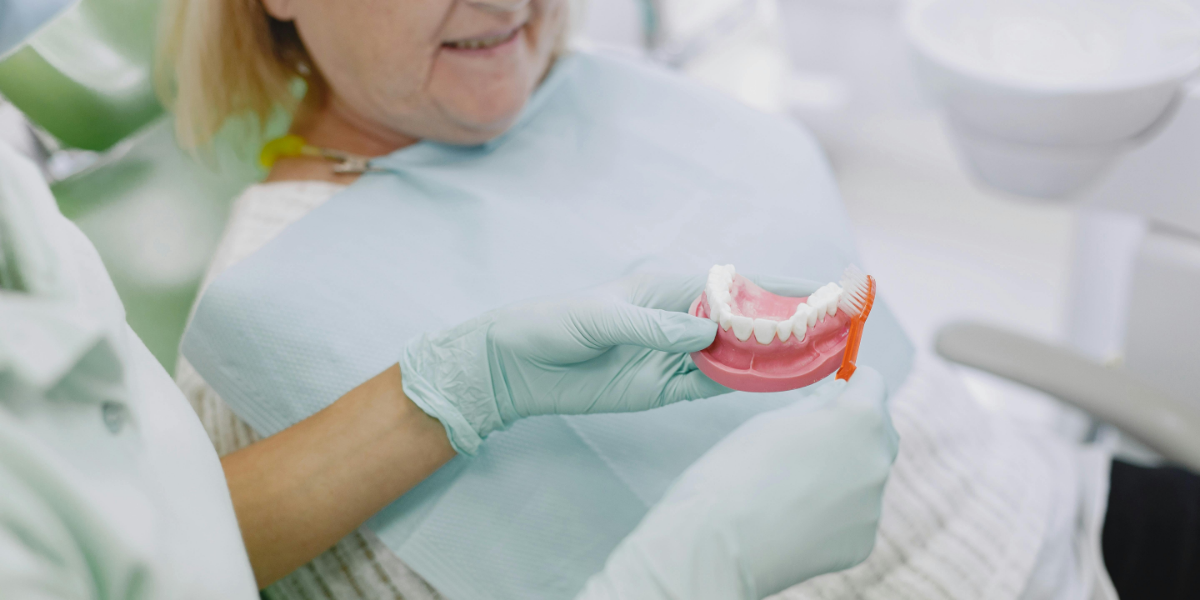
10 Things Nobody Tells You About Getting Dentures
Getting dentures can bring a welcome sense of relief, especially after dealing with missing teeth, damaged teeth, or ongoing dental problems. Being able to smile, speak, and eat with a complete set of teeth again can make everyday activities feel easier. Still, adjusting to dentures is a process, and many first-time wearers are surprised by what happens during the first few days and weeks.
Dentures are custom-made dental appliances designed to replace missing teeth and surrounding tissues. Depending on your needs, your dentist may recommend complete dentures, partial dentures, or immediate dentures placed after tooth removal. While modern dentures are designed with comfort and appearance in mind, they do not feel exactly like natural teeth. Your mouth, facial muscles, tongue, and eating habits all need time to adapt.
Knowing what to expect can make the transition less stressful. From temporary soreness and changes in speech to learning how to chew differently, there are several parts of denture wear that patients may not hear much about until they experience them firsthand. Here are 10 important realities about getting dentures and what they mean for your daily life.
1. Dentures May Feel Strange at First
Even well-made dentures can feel unfamiliar when you first begin wearing them. Your tongue suddenly has less room, your gums are supporting a new appliance, and the muscles around your mouth must learn how to keep the dentures stable.
You may initially feel that your dentures are bulky or that there is something constantly sitting inside your mouth. Some people also produce more saliva during the first few days. These reactions are generally part of the adjustment period.
How Long Does It Take to Get Used to Dentures?
There is no exact timeline that applies to everyone. Some people become comfortable relatively quickly, while others need several weeks. Following your dentist’s wearing instructions and attending scheduled follow-up appointments can help address discomfort along the way.
2. Mild Soreness Does Not Always Mean Your Dentures Are Wrong
New dentures place pressure on areas of the gums that were not previously supporting an appliance. As a result, mild tenderness or sore spots can develop.
The important distinction is between temporary adjustment discomfort and persistent pain. Dentures should not continually rub, pinch, or cause significant sores. If one particular area remains painful, your dentist may need to make a small adjustment.
Never try to reshape, file, or repair dentures yourself. Even a minor change can affect their fit and bite.
3. Eating Requires Practice
Many patients expect to immediately return to eating exactly as they did with natural teeth. In reality, chewing with dentures involves a different technique.
Start with soft foods cut into small pieces. Eggs, cooked vegetables, yogurt, fish, oatmeal, and other easy-to-chew foods may be more manageable during the adjustment period.
Learning to Chew With Dentures
Try chewing slowly and using both sides of your mouth at the same time. This helps distribute pressure more evenly and may reduce denture movement.
As your confidence improves, gradually introduce firmer foods. Hard, sticky, or extremely chewy foods may remain more difficult and should be approached carefully.
4. Your Speech May Sound Different Temporarily
Dentures can temporarily affect pronunciation because your tongue must learn new positions when forming certain sounds. Words containing “s,” “f,” and “th” sounds may initially feel awkward.
Reading aloud at home is a simple way to practice. Speaking slowly and repeating difficult words can help your tongue and facial muscles adjust.
Most people become much more comfortable speaking as they gain experience with their dentures.
5. Your Mouth Can Continue Changing After You Get Dentures
Dentures are made to fit the shape of your mouth at a particular point in time, but your gums and jawbone are not completely static.
After teeth are lost or removed, the bone that once supported those teeth can gradually change. Gum tissues can also change shape. These changes may eventually cause dentures that once fit securely to become loose.
Why Denture Adjustments Matter
Routine dental visits allow your dentist to evaluate the fit of your dentures and the health of the tissues underneath them. Adjustments, relining, or replacement may eventually be necessary to maintain a proper fit.
6. Dentures Still Require Daily Cleaning
Artificial teeth cannot develop cavities, but that does not mean dentures are maintenance-free. Food particles, plaque, and bacteria can collect on the appliance.
Dentures should be cleaned regularly according to your dentist’s recommendations. Use products intended for dentures rather than assuming regular toothpaste is appropriate, as some toothpastes may be too abrasive.
Your gums, tongue, and any remaining natural teeth also require daily care. Good oral hygiene helps reduce odor, irritation, gum problems, and infection.
7. Sleeping in Dentures Is Usually Not Recommended
It can be tempting to wear dentures around the clock, especially if you feel uncomfortable being seen without them. However, your gum tissues generally benefit from time without the appliance.
Removing dentures at night gives the tissues underneath them an opportunity to rest. Dentures should typically be stored properly so they do not dry out or lose their shape.
Follow your dentist’s specific recommendations because instructions may differ after extractions, surgery, or immediate denture placement.
8. Denture Adhesive Is Not a Fix for Poorly Fitting Dentures
Denture adhesive can provide additional stability for some patients, but it should not be used to compensate for dentures that no longer fit correctly.
If you suddenly need much more adhesive than before, or your dentures regularly slip while eating or speaking, schedule a dental evaluation. Changes in your gums or jaw may mean the appliance requires professional adjustment.
A dentist can also explain how much adhesive to use and how to apply it correctly.
9. Your Sense of Taste May Feel Different
Some denture wearers notice temporary changes in how food tastes. This can happen while the mouth adjusts to the appliance, especially with an upper denture that covers part of the palate.
Temperature and texture can also feel different, which may change the overall eating experience. Eating slowly and experimenting with different textures can help you identify foods that feel comfortable.
Be especially careful with very hot foods and drinks until you understand how temperature feels while wearing your dentures.
10. Regular Dental Visits Still Matter When You Have No Natural Teeth
A common misconception is that people with complete dentures no longer need dental appointments because they cannot develop cavities. Dental care remains important even when all natural teeth have been removed.
Your dentist can examine your gums, tongue, cheeks, palate, and other oral tissues for signs of irritation or disease. They can also check your bite and determine whether your dentures remain stable and comfortable.
Routine appointments provide an opportunity to identify changes before they become painful or begin interfering with eating and speaking.
Conclusion
Getting dentures involves much more than simply receiving a new set of teeth. Your mouth needs time to adjust, and learning how to eat, speak, clean your dentures, and recognize changes in their fit is an important part of long-term success. Some temporary discomfort and awkwardness can be expected, but persistent pain, slipping, sores, or difficulty chewing should be evaluated rather than accepted as a normal part of denture wear. Regular dental visits also remain essential because your gums, jawbone, and other oral tissues continue to require professional attention even when natural teeth are no longer present. With proper care, realistic expectations, and professional support, dentures can become a comfortable and practical part of everyday life. If you are considering dentures or need help with the fit and comfort of your current appliance, Renova Smiles can evaluate your needs and discuss appropriate treatment options. Contact the office today to schedule a consultation and receive personalized guidance for your smile.


