
11 Incredible Benefits of Dental Implants You Need to Know
Missing teeth can change much more than the way your smile looks. Everyday activities such as eating, speaking, and smiling with confidence may become more difficult over time. Many people also experience shifting teeth, jawbone loss, and facial changes without realizing these problems often begin after a tooth is lost. While dentures and bridges remain effective solutions for certain situations, dental implants have become one of the most reliable and long-lasting ways to replace missing teeth.
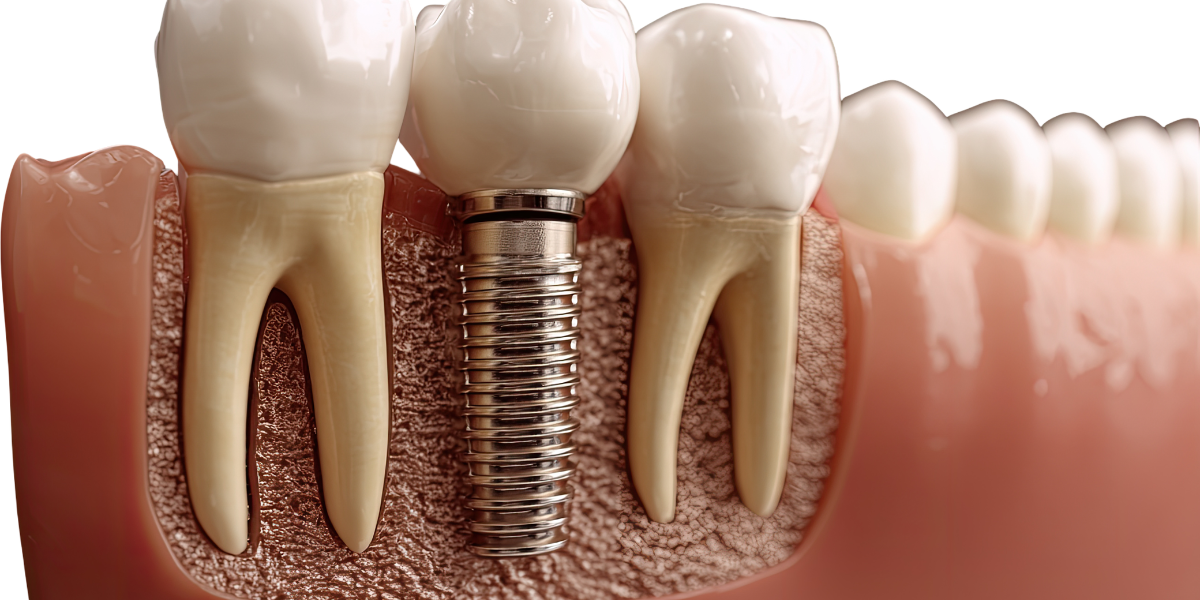
Dental implants are designed to function much like natural tooth roots. A small titanium post is placed into the jawbone, where it gradually bonds with the surrounding bone. Once healing is complete, a custom-made crown is attached to create a replacement tooth that looks, feels, and functions naturally. Because implants become part of the jaw, they offer stability that removable options cannot match.
People of different ages choose dental implants for various reasons. Some have lost a tooth because of injury, while others have experienced tooth loss from decay or gum disease. Regardless of the cause, replacing missing teeth promptly helps protect oral health and prevents additional complications. Understanding the many benefits of dental implants can help you decide whether they are the right long-term investment for your smile.
1. They Look and Feel Like Natural Teeth
One of the greatest advantages of dental implants is their natural appearance. Each implant crown is carefully designed to match the size, shape, and color of your surrounding teeth.
Because the implant is securely anchored into the jawbone, it feels much like a natural tooth when chewing or speaking. Most patients quickly forget which tooth is the implant because it blends seamlessly with the rest of their smile.
2. They Help Preserve Jawbone Health
When a tooth is missing, the jawbone beneath it no longer receives stimulation during chewing. Over time, the bone begins to shrink, which can affect facial appearance and oral health.
Dental implants replace the missing tooth root, allowing normal chewing forces to stimulate the jawbone. This helps maintain bone density and reduces the risk of bone deterioration that commonly follows tooth loss.
3. They Prevent Nearby Teeth From Shifting
A missing tooth creates an empty space that neighboring teeth naturally begin to move toward. This shifting can lead to crooked teeth, bite problems, and areas that are difficult to clean.
Replacing the missing tooth with a dental implant helps keep surrounding teeth in their proper positions, supporting better alignment and reducing future dental concerns.
4. They Restore Comfortable Chewing
Many people with missing teeth avoid certain foods because chewing becomes uncomfortable or inefficient. Tough meats, crunchy vegetables, and chewy breads often become difficult to enjoy.
Dental implants restore strong biting power, allowing patients to eat a wide variety of foods with greater comfort. A balanced diet becomes easier to maintain when chewing is no longer a challenge.
5. They Improve Speech
Missing teeth or loose dentures may affect pronunciation, making certain words difficult to say clearly. Slipping dentures can also create embarrassing moments during conversations.
Because dental implants remain securely in place, they provide stable support for clear speech. Patients often notice greater confidence during both personal and professional interactions.
6. They Offer Outstanding Long-Term Durability
Dental implants are built to last. With proper oral hygiene, regular dental visits, and healthy habits, many implants remain successful for decades.
Unlike some tooth replacement options that may require frequent adjustments or replacement, implants provide a dependable long-term solution. Their durability often makes them a worthwhile investment in both oral health and quality of life.
7. They Do Not Require Altering Healthy Teeth
Traditional dental bridges often require neighboring healthy teeth to be reshaped so they can support the bridge.
Dental implants stand independently without relying on adjacent teeth. This allows healthy natural teeth to remain untouched while replacing only the missing tooth, preserving more of your original tooth structure.
8. They Support Better Oral Hygiene
Dental implants can be brushed and flossed much like natural teeth. There are no special soaking solutions or adhesives required.
Because implants function independently, cleaning around them is generally straightforward. Maintaining good daily oral hygiene helps protect both the implant and the surrounding gum tissue.
9. They Help Maintain Facial Appearance
Tooth loss can eventually cause the jawbone to shrink, leading to a sunken facial appearance that may make someone appear older than they actually are.
Since implants help preserve jawbone structure, they also support the natural shape of the face. Maintaining bone volume contributes to healthier facial contours over time.
10. They Increase Confidence
A complete smile often has a significant impact on self-confidence. Many people become self-conscious after losing one or more teeth and may avoid smiling in photographs or social settings.
Dental implants provide a secure, natural-looking replacement that allows patients to smile, laugh, and interact without worrying about loose restorations or visible gaps.
11. They Can Improve Overall Quality of Life
The combined benefits of dental implants extend well beyond oral health. Eating favorite foods, speaking comfortably, smiling confidently, and maintaining stable oral function all contribute to everyday well-being.
Many patients report that dental implants allow them to enjoy daily activities without constantly thinking about their replacement teeth. This sense of normalcy often becomes one of the greatest advantages of choosing implants.
Who May Be a Good Candidate for Dental Implants
Most healthy adults with one or more missing teeth may be candidates for dental implants. Good candidates generally have healthy gums, sufficient jawbone, and are committed to maintaining excellent oral hygiene.
Even individuals who have experienced some bone loss may still qualify after additional procedures such as bone grafting. A comprehensive dental examination, including digital imaging, allows the dentist to determine the most appropriate treatment plan based on each patient’s needs.
Conclusion
Replacing missing teeth is about far more than restoring appearance. Dental implants help protect the jawbone, support neighboring teeth, improve chewing ability, restore clear speech, and provide lasting stability that closely resembles natural teeth. Their long-term durability and natural function make them one of the most trusted tooth replacement options available today. If you are considering replacing one or more missing teeth, scheduling a consultation is the best way to understand your options and determine the right treatment for your individual needs. The experienced team at Renova Smiles can evaluate your oral health, answer your questions, and develop a personalized treatment plan that helps you regain a healthy, confident smile. Contact the office today to schedule your consultation and learn whether dental implants are the right solution for you.


