
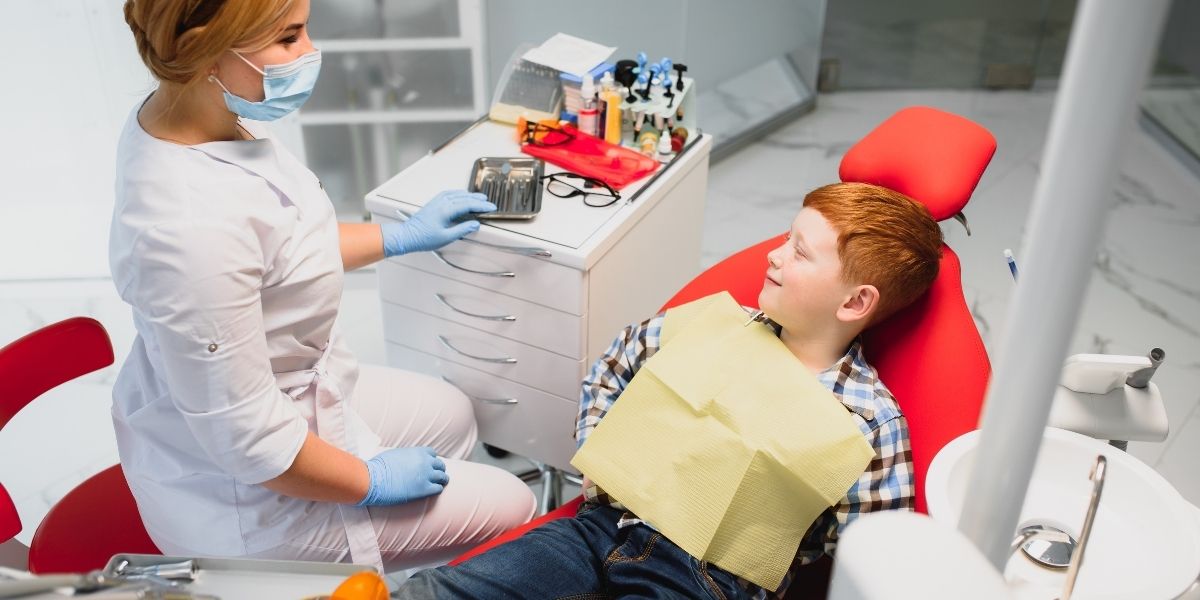
When Should Your Child First See the Dentist?
Many parents wonder when dental care should truly begin for their child. With baby teeth eventually falling out, it can be tempting to assume early dental visits are optional. In reality, a child’s oral health journey starts much earlier than many people expect, often before their first birthday. Early dental care is not only about checking teeth; it supports healthy development, builds positive habits, and prevents problems that can follow a child into adulthood.
A child’s mouth changes rapidly during the first few years of life. Teeth begin to erupt, feeding habits evolve, and oral bacteria start to establish themselves. Without proper guidance, issues such as early childhood cavities, thumb-sucking concerns, or gum irritation can develop quietly. Parents play a vital role during this stage, but professional dental input offers reassurance and expert insight that cannot be replaced at home.
Early dental visits also help children become comfortable in a dental setting. Fear and anxiety often stem from unfamiliar experiences. Introducing dental care early, when visits are simple and gentle, sets a foundation of trust. Understanding when to schedule that first appointment allows parents to make informed decisions that protect their child’s smile and overall well-being from the very beginning.
The Recommended Age for a First Dental Visit
The American Academy of Pediatric Dentistry recommends that children see a dentist by their first birthday or within six months of their first tooth erupting. This guideline surprises many parents, but it reflects how early dental issues can begin. Baby teeth are more vulnerable to decay, and early checkups help identify risks before they turn into painful problems. A first visit at this age is typically brief and focuses on education, reassurance, and prevention rather than treatment.
Why Baby Teeth Matter More Than You Think
Baby teeth play a critical role in a child’s growth and development. They help with chewing, speech formation, and holding space for permanent teeth. When baby teeth are lost too early due to decay or infection, it can lead to alignment issues and difficulties with eating or speaking. Maintaining healthy primary teeth supports proper jaw development and reduces the likelihood of orthodontic concerns later on.
What Happens During a Child’s First Dental Appointment
A child’s first dental visit is designed to be calm and supportive. The dentist may examine the teeth and gums, assess how the teeth are coming in, and check the bite. Parents often receive guidance on brushing techniques, fluoride use, and age-appropriate oral care routines. This appointment is also a chance to discuss habits such as pacifier use or thumb-sucking and how they may affect dental development over time.
Preventing Early Childhood Cavities
Early childhood cavities, sometimes called baby bottle tooth decay, can develop soon after teeth emerge. Frequent exposure to sugary drinks, prolonged bottle use, or inadequate brushing can all contribute. Early dental visits help identify these risk factors and provide parents with practical steps to protect their child’s teeth. Preventive care at a young age is far easier and less stressful than treating cavities later.
Building Positive Dental Experiences Early
Children who start dental visits early often feel more relaxed and confident during appointments as they grow. Familiarity with the dental office, staff, and routines reduces anxiety and promotes cooperation. These positive experiences encourage children to view dental care as a normal part of staying healthy, rather than something to fear. This mindset can influence how consistently they care for their teeth throughout life.
How Parents Can Support Oral Health at Home
Professional dental care works best when paired with consistent home habits. Parents should clean an infant’s gums even before teeth appear and begin brushing with a small, soft-bristled toothbrush as soon as the first tooth erupts. Monitoring sugar intake, encouraging water between meals, and scheduling regular dental checkups all contribute to strong oral health. Dentists can tailor advice based on a child’s specific needs and stage of development.
Knowing when your child should first see the dentist is an important step in supporting lifelong oral health. Early dental visits focus on prevention, education, and comfort, helping parents understand how to care for developing teeth while reducing the risk of future problems. Baby teeth may be temporary, but their impact on speech, nutrition, and confidence is lasting. By establishing dental care early, families create healthy routines and positive experiences that carry forward into adulthood.
If you are ready to take that first step or have questions about your child’s dental needs, the team at Renova Smiles is here to help. Schedule your child’s first dental visit today and give them a strong, healthy start toward a lifetime of confident smiles.


