
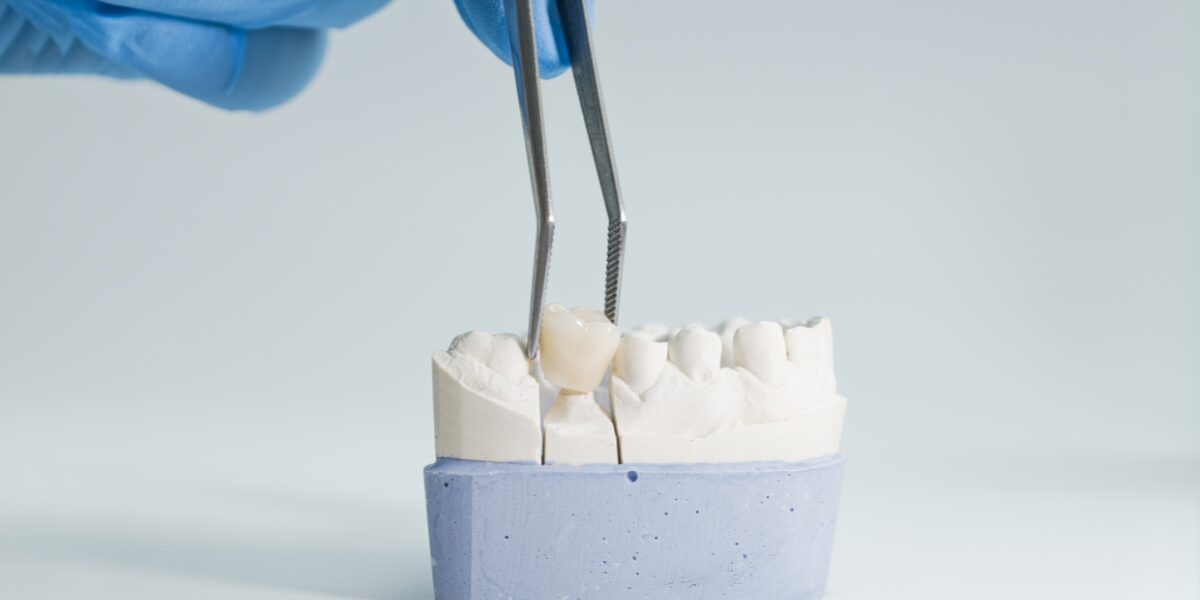
Dental Crowns Explained: When You Need One and How It Saves Your Tooth
A tooth does not have to be completely lost to need serious dental care. Cracks, large fillings, decay, and wear can weaken a tooth over time, making everyday chewing painful and risky. Many people assume extraction is the only answer once a tooth becomes damaged, but modern dentistry offers another option that helps preserve the natural tooth structure. One of the most trusted treatments for this purpose is a dental crown.
Dental crowns are custom-made coverings placed over damaged teeth to restore strength, shape, and function. They are commonly used in both restorative and cosmetic dentistry because they help protect teeth that can no longer support themselves properly. A crown acts like a protective shell, allowing the tooth underneath to continue functioning safely.
Understanding when a crown is necessary can help patients avoid worsening dental problems. Waiting too long may lead to infections, fractures, or even tooth loss. Learning how crowns work, the materials available, and what to expect during treatment can make the process less intimidating. With proper care, a dental crown can last for many years while allowing patients to eat, speak, and smile comfortably again.
What Is a Dental Crown?
A dental crown is a tooth-shaped cap designed to fit securely over a damaged or weakened tooth. Once bonded in place, it covers the visible portion of the tooth above the gumline. The purpose is to restore the tooth’s strength, appearance, and function while protecting it from further damage.
Crowns are customized to match the color, shape, and size of surrounding teeth. Modern materials allow crowns to look very natural, making them difficult to notice when a person smiles or speaks.
Dentists commonly recommend crowns for teeth that have:
- Large cavities
- Severe wear from grinding
- Cracks or fractures
- Root canal treatment
- Broken fillings
- Misshapen appearance
- Significant discoloration
A crown does more than improve appearance. It also helps distribute biting pressure evenly, reducing the risk of additional fractures.
Signs You May Need a Dental Crown
Many dental problems develop gradually, and patients often ignore early warning signs until pain becomes severe. Recognizing the symptoms of a weakened tooth can help prevent more extensive treatment later.
Persistent Tooth Pain
Pain while chewing or sensitivity to hot and cold foods may indicate structural damage. If a tooth cannot handle normal pressure, a crown may help stabilize it.
Cracked or Broken Teeth
Teeth can crack from accidents, biting hard foods, or nighttime grinding. Small cracks may not be visible, but they can grow larger over time. Crowns hold the tooth together and reduce the chance of splitting.
Large Fillings That No Longer Support the Tooth
When a tooth has a large filling, very little natural structure may remain. The filling itself may weaken the tooth over time. A crown provides better long-term support.
Worn Teeth From Grinding
Chronic teeth grinding, also called bruxism, gradually wears down enamel. Crowns can rebuild damaged teeth and restore normal bite alignment.
Following Root Canal Treatment
A root canal removes infected tissue inside the tooth. While this treatment saves the tooth, it may also leave it brittle. Crowns are often placed afterward to protect the remaining structure.
How Dental Crowns Save Natural Teeth
Saving a natural tooth is almost always preferable to removing it. Natural teeth help maintain proper chewing function, jaw support, and alignment. Dental crowns play an important role in preserving teeth that might otherwise need extraction.
When a tooth becomes weak, even normal chewing pressure can worsen damage. A crown acts as a shield around the tooth, preventing cracks from spreading further. This protection allows the tooth root to remain healthy and stable inside the jawbone.
Crowns also seal vulnerable teeth from bacteria. Without protection, damaged areas may allow bacteria to enter the inner tooth, leading to infection or abscess formation. By covering the tooth completely, crowns reduce this risk significantly.
Another important benefit is maintaining bite balance. Missing or damaged teeth can shift surrounding teeth out of place. Crowns restore the proper shape and height of the tooth, helping maintain alignment and preventing uneven wear.
Types of Dental Crown Materials
Dental crowns are made from several different materials, and each option offers unique benefits. The best choice depends on the tooth location, appearance goals, and durability needs.
Porcelain Crowns
Porcelain crowns are popular because they closely resemble natural teeth. They reflect light similarly to enamel and blend well with surrounding teeth. These crowns are often used for front teeth where appearance matters most.
Ceramic Crowns
Ceramic crowns are metal-free and highly aesthetic. They are suitable for patients with metal sensitivities and offer excellent color matching.
Metal Crowns
Gold and metal alloy crowns are extremely durable and resistant to wear. They are commonly used for back molars where chewing forces are strongest.
Porcelain-Fused-to-Metal Crowns
These crowns combine the strength of metal with the appearance of porcelain. They provide both durability and a more natural look.
Zirconia Crowns
Zirconia crowns are known for strength and appearance. They resist fractures well and are increasingly popular for both front and back teeth.
What to Expect During the Crown Procedure
Many patients feel nervous about dental procedures, but receiving a crown is generally straightforward and comfortable.
Examination and Tooth Preparation
The dentist first examines the tooth and may take X-rays to assess the surrounding structures. Any decay or damaged tissue is removed before shaping the tooth to fit the crown.
Impressions and Temporary Crown
After preparation, impressions or digital scans are taken to create the custom crown. A temporary crown is placed while the permanent crown is being made.
Placement of the Permanent Crown
Once the final crown is ready, the dentist checks the fit, shape, and color before bonding it securely into place. Adjustments are made if necessary to ensure a comfortable bite.
Most patients return to normal activities quickly after treatment.
Caring for Your Dental Crown
A dental crown requires the same level of care as natural teeth. Good oral hygiene helps prevent decay around the crown edges and protects neighboring teeth.
Important crown care habits include:
- Brushing twice daily
- Flossing carefully around the crown
- Avoiding chewing ice or very hard objects
- Wearing a night guard if grinding occurs
- Visiting the dentist regularly for cleanings and exams
Crowns can last many years when maintained properly. Some patients keep their crowns for over a decade before replacement becomes necessary.
Although crowns are durable, they are not indestructible. Chips, looseness, or discomfort should be evaluated promptly by a dentist to prevent additional complications.
Common Questions About Dental Crowns
Are Dental Crowns Painful?
The procedure is usually comfortable because local anesthesia numbs the area. Mild soreness may occur afterward, but it often resolves quickly.
How Long Do Crowns Last?
Most crowns last between 10 and 15 years, though some last much longer with proper care.
Can a Crown Get a Cavity?
The crown itself cannot decay, but the natural tooth underneath still can. Maintaining good oral hygiene remains important.
Will My Crown Look Natural?
Modern crowns are designed to blend closely with natural teeth. Dentists carefully match the shade and contour for a realistic appearance.
Is a Crown Better Than Extraction?
Whenever possible, preserving a natural tooth is generally the better option. Crowns help maintain chewing ability, jaw health, and tooth alignment.
Conclusion
Dental crowns are one of the most reliable ways to protect and preserve damaged teeth before problems become more serious. Whether a tooth has been weakened by decay, fractures, grinding, or root canal treatment, a crown restores stability while allowing the natural tooth to remain in place. Acting early can prevent pain, infection, and tooth loss while supporting long-term oral health. Patients who experience sensitivity, cracking, or weakened teeth should seek professional evaluation before the condition worsens. If you are considering restorative dental treatment, the experienced team at Renova Smiles can help determine whether a dental crown is the right solution for protecting your smile and maintaining healthy teeth for years to come.


