
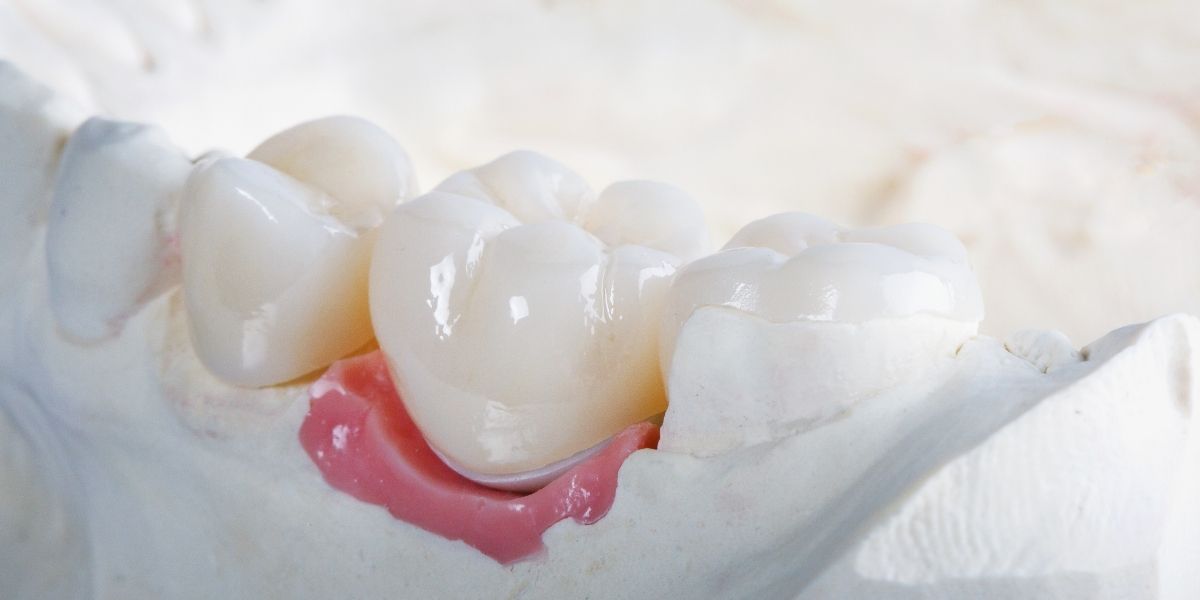
Are Your Dental Crowns Too Old? What Dentists Want You to Know
Dental crowns are an essential part of modern restorative dentistry, offering protection and longevity to teeth that have suffered from decay, trauma, or root canals. But like all dental restorations, crowns don’t last forever. Whether you’ve had your crown for five years or fifteen, knowing when it’s time for a replacement can make a big difference in maintaining your oral health.
If you’re experiencing discomfort, noticing changes in appearance, or simply wondering whether your crown is still doing its job, you’re not alone. Patients frequently ask how long their crowns are supposed to last and what signs to watch for. The answer isn’t always straightforward. It depends on the material, your bite, oral hygiene habits, and even whether you grind your teeth at night.
Routine dental visits help monitor the condition of your crowns, but there are clear red flags to be aware of between checkups. If you’ve been searching for a reliable dentist in Arlington, VA, understanding the lifespan of crowns and how to spot potential issues is a good place to start.
1. Crowns Aren’t Meant to Last Forever
On average, dental crowns last between 10 to 15 years, depending on their material and how well they’re maintained. Porcelain-fused-to-metal crowns may last a decade or longer, while all-ceramic crowns can be slightly more prone to wear. With excellent care, some crowns exceed 20 years but this is the exception, not the rule. Over time, the materials can degrade, or the cement holding the crown in place may begin to weaken.
2. You Notice Pain or Sensitivity Around the Crown
One of the first signs that a crown may be failing is discomfort. Pain when chewing, sensitivity to hot or cold, or tenderness around the gumline could signal a problem beneath the crown. Decay might be developing underneath, or the crown could be slightly dislodged, allowing bacteria to enter. It’s important not to ignore these symptoms, as waiting too long can lead to infection or tooth loss.
3. Visible Damage or Changes in Appearance
Chips, cracks, or changes in the color of your crown should be taken seriously. Even minor damage can affect the seal between the crown and your natural tooth, allowing decay to take hold. Discoloration might not only be cosmetic. It can indicate underlying damage or wear in the material itself. Crowns that no longer match the surrounding teeth may also affect your confidence when smiling or speaking.
4. Receding Gums or Inflammation Near the Crown
Gum recession is a natural part of aging for many people, but when it happens around a crown, it can expose the tooth root or the edge of the crown, making it more vulnerable to decay and infection. Inflammation, bleeding, or a persistent bad taste in your mouth could point to trapped bacteria or poorly fitting margins. These symptoms warrant a closer look by your dentist.
5. The Crown Feels Loose or Moves Slightly
Crowns should feel as stable as your natural teeth. If you notice movement when chewing or brushing, it’s a warning sign. A loose crown may have lost its cement seal or could be fractured underneath. Even if it’s not painful, a loose crown can lead to further damage if left unaddressed. Eventually, it might fall off entirely, exposing your underlying tooth and nerves.
6. It’s Been Over a Decade Since Placement
Even if you’re not experiencing any obvious problems, an aging crown should be evaluated regularly. Teeth shift over time, and a crown that once fit perfectly may now be placing strain on your bite or causing uneven pressure. Dentists often use digital X-rays and tactile exams to assess whether a crown is still functioning as intended or has developed issues invisible to the naked eye.
Time for a Crown Checkup?
Dental crowns play a vital role in protecting compromised teeth, but like any restoration, they require ongoing attention. Whether your crown is showing visible wear, causing discomfort, or simply nearing the end of its expected lifespan, taking action early can help prevent complications. Even if everything seems fine, it’s a good idea to ask your dentist about the age and condition of your crown during your next visit.
For compassionate, thorough care and expert advice about your dental restorations, the team at Renova Smiles is here to help. If you’re unsure about the condition of your crown or need to schedule a replacement, book a visit with us today. Your smile deserves lasting protection.


