
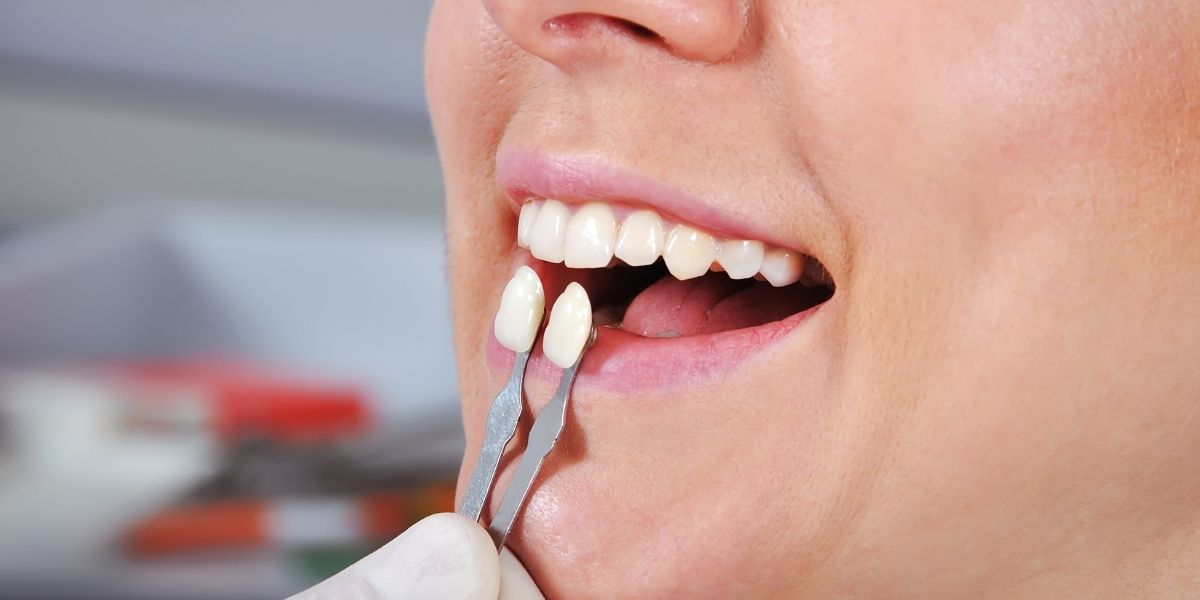
Are Veneers Right for You? What You Need to Know
A confident smile can shape first impressions, influence social interactions, and even affect how you feel about yourself. If you’ve ever wished your teeth looked straighter, whiter, or more balanced, veneers may have crossed your mind. Dental veneers are one of the most requested cosmetic dental treatments today, praised for their ability to correct a wide range of aesthetic concerns with natural-looking results.
But veneers are not a one-size-fits-all solution. They require careful planning, healthy teeth and gums, and a clear understanding of what the procedure involves. While the results can be dramatic and long-lasting, the decision to move forward should be based on more than appearance alone. It’s important to understand how veneers work, what they can and cannot fix, and whether your oral health supports this type of treatment.
Making an informed choice begins with knowing the facts. From candidacy requirements to maintenance expectations, here is what you should consider before deciding if veneers are right for you.
What Are Dental Veneers?
Dental veneers are thin shells, typically made of porcelain or composite resin, that are bonded to the front surface of teeth. They are custom-designed to match the color, shape, and size that best complements your smile and facial features.
Porcelain veneers are known for their durability and stain resistance. They reflect light similarly to natural enamel, which makes them a popular option for patients seeking long-term results. Composite veneers are usually more affordable and can sometimes be placed in a single visit, though they may not last as long as porcelain.
Veneers are considered a cosmetic treatment, but they also provide structural coverage for the visible portion of the tooth. Once placed, they create a smooth, uniform appearance across the smile.
What Concerns Can Veneers Correct?
Veneers are versatile and can address several cosmetic concerns at once. They are commonly used to correct:
- Discolored or stained teeth that do not respond well to whitening
- Chipped or worn edges
- Minor gaps between teeth
- Slight misalignment or uneven shapes
- Teeth that appear too small or irregular
It’s important to note that veneers are best suited for mild to moderate cosmetic concerns. They are not designed to correct severe misalignment, significant bite issues, or extensive tooth damage. In those cases, orthodontic treatment or restorative procedures may be more appropriate.
Who Is a Good Candidate?
Not everyone is an ideal candidate for veneers. Healthy gums and sufficient tooth enamel are essential because a small amount of enamel is typically removed to allow the veneer to fit properly.
Patients who grind their teeth, have untreated gum disease, or suffer from severe decay may need to address those issues before considering veneers. A stable bite and good oral hygiene habits are also important for long-term success.
A thorough dental evaluation helps determine whether veneers will provide both cosmetic and functional benefits. An experienced dentist will assess your overall oral health and discuss realistic expectations before recommending treatment.
The Procedure: What to Expect
Getting veneers usually requires two to three appointments. During the first visit, the dentist prepares the teeth by gently reshaping the enamel. Impressions are then taken and sent to a dental laboratory, where the custom veneers are created.
Temporary veneers may be placed while you wait for the final restorations. Once the permanent veneers are ready, they are carefully bonded to the teeth using a strong dental adhesive. Adjustments are made to ensure proper fit and comfort.
The procedure is generally well tolerated, and most patients experience minimal discomfort. Local anesthesia is often used during tooth preparation to keep the process comfortable.
Longevity and Maintenance
With proper care, porcelain veneers can last 10 to 15 years or longer. Composite veneers may last five to seven years. Longevity depends heavily on oral hygiene, dietary habits, and avoiding excessive force on the teeth.
Daily brushing and flossing remain essential. Regular dental checkups allow your dentist to monitor the condition of the veneers and surrounding tissues. Limiting habits such as biting hard objects or using teeth as tools can help preserve the results.
Although veneers resist staining better than natural enamel, maintaining good habits will keep your smile looking its best for years.
Cost Considerations and Commitment
Veneers are an investment in your smile. Costs vary depending on the material used, the number of teeth treated, and the level of customization required. Because veneers are primarily cosmetic, dental insurance may not cover the procedure.
It’s also important to understand that veneers are considered irreversible. Since enamel is removed during preparation, the tooth will always need some type of coverage moving forward. This makes it essential to feel confident in your decision before proceeding.
A detailed consultation provides clarity on pricing, financing options, and long-term expectations so you can make a choice that aligns with your goals and budget.
Choosing veneers is a personal decision that should balance aesthetics, oral health, and long-term commitment. While veneers can correct discoloration, minor misalignment, and uneven shapes, they require healthy teeth, responsible maintenance, and realistic expectations. A comprehensive dental evaluation is the best way to determine whether this treatment aligns with your needs and lifestyle.
When thoughtfully planned and properly placed, veneers can provide years of confident smiles. If you are considering cosmetic dentistry and want guidance tailored to your specific goals, schedule a consultation with the experienced team at Renova Smiles to discuss whether veneers are the right step for you.


