
Why Delaying a Root Canal Could Cost You Your Tooth
A toothache may seem like something you can put off, especially when the pain comes and goes. You may take an over-the-counter pain reliever, avoid chewing on one side, or hope the discomfort disappears on its own. The problem is that dental pain caused by an infected or damaged tooth usually does not resolve simply because the symptoms temporarily improve. When the inner portion of a tooth becomes infected, delaying treatment can give bacteria more time to spread and cause damage that may eventually threaten the tooth itself.
A root canal is a common dental procedure used to treat infection or inflammation inside a tooth. Despite its reputation, modern root canal treatment is designed to relieve pain and preserve the natural tooth whenever possible. Waiting too long, however, can allow a relatively contained problem to become more serious.
Understanding what happens when a root canal is delayed can help you recognize why prompt dental care matters. From worsening infection to weakened tooth structure and possible tooth loss, several complications can develop when treatment is postponed.
What Is a Root Canal?
A root canal treats problems affecting the pulp, the soft tissue located inside the tooth. The pulp contains nerves and blood vessels. Deep decay, cracks, trauma, or repeated dental procedures can damage this tissue and allow bacteria to enter.
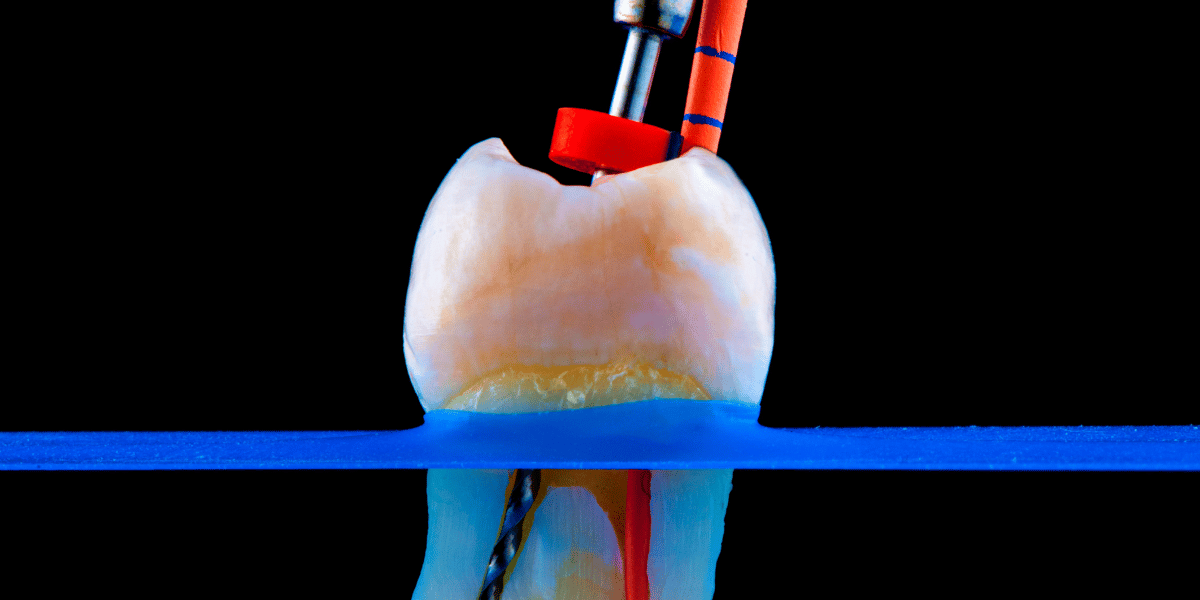
During root canal treatment, the dentist removes infected or inflamed pulp, cleans and disinfects the inside of the tooth, and seals the space to help prevent reinfection. The tooth is then restored, often with a dental crown when significant tooth structure has been lost.
The primary goal is not simply to stop a toothache. It is to remove infection while preserving as much of the natural tooth as possible.
Why Tooth Pain Should Not Be Ignored
Tooth pain is one of the most common warning signs that something is wrong. Sensitivity to hot or cold, pain when biting, throbbing discomfort, or spontaneous pain may indicate inflammation or infection inside the tooth.
One important point is that pain disappearing does not necessarily mean the tooth has healed. In some cases, the nerve inside the tooth can become severely damaged or die. When that happens, the tooth may temporarily stop hurting even though bacteria and infection remain.
This false sense of relief can lead people to postpone dental care. By the time symptoms return, the infection may have progressed beyond the tooth.
An Untreated Infection Can Spread
One of the most important reasons to avoid delaying a root canal is the risk of infection spreading beyond the tooth.
When bacteria reach the pulp, the body’s inflammatory response can cause pressure and pain inside the tooth. If the infection continues, bacteria can move through the root canals and into the surrounding tissues. This may result in an abscess, which is a pocket of pus caused by infection.
An abscess can cause swelling in the gums or face, tenderness, fever, a bad taste in the mouth, or drainage around the affected tooth. In more serious situations, dental infections can spread into nearby tissues and require urgent medical attention.
Prompt treatment gives the dentist an opportunity to address the source of the infection before it causes more extensive problems.
Delaying Treatment Can Weaken the Tooth
An infected tooth is not the only concern. A tooth that requires a root canal may already have substantial structural damage from decay, cracks, or previous dental work.
As decay progresses, more healthy tooth structure can be lost. A tooth with extensive structural damage becomes more vulnerable to cracking or breaking, particularly when exposed to normal biting forces.
If a tooth fractures below the gumline or the damage becomes too extensive to restore predictably, root canal treatment may no longer be enough to save it. Extraction may become necessary.
This is why timing matters. Treating the tooth while enough healthy structure remains can improve the chances of keeping the natural tooth.
A Root Canal May Prevent Tooth Extraction
Natural teeth are generally worth preserving whenever they can be predictably restored and maintained. Losing a tooth can affect chewing and may allow neighboring teeth to shift into the empty space.
When extraction becomes necessary, replacing the missing tooth may require additional treatment, such as a dental implant, bridge, or partial denture. These options can restore function, but they generally involve additional appointments, procedures, and costs.
A root canal may therefore be part of a tooth-preserving treatment plan. Instead of removing an infected tooth, the dentist can clean the infection from inside the tooth, seal it, and restore its structure.
The sooner the tooth is evaluated, the more clearly your dentist can determine whether preservation is possible.
When Should You Seek Dental Care?
Certain symptoms deserve prompt attention. These may include persistent tooth pain, severe sensitivity to hot or cold, pain when chewing, swelling around the tooth, a recurring gum pimple, facial swelling, or a tooth that has become dark or discolored.
You should also contact a dentist after significant dental trauma, even if the tooth does not hurt immediately. Injuries can damage the pulp without producing obvious symptoms at first.
Severe facial swelling, difficulty breathing or swallowing, fever accompanied by significant dental swelling, or rapidly worsening symptoms require urgent medical attention.
Do not rely solely on pain intensity to determine how serious a dental problem is. A dental examination and appropriate imaging can help identify infection or damage that may not be visible from the outside.
Conclusion
A root canal is not something to fear or postpone simply because the toothache temporarily improves. When the pulp becomes infected or severely inflamed, the underlying problem generally requires professional treatment. Delaying care can allow infection to spread, weaken the remaining tooth structure, increase the possibility of an abscess, and potentially turn a tooth that could have been saved into one that requires extraction. Early evaluation also gives your dentist more information about the condition of the tooth and the available treatment options. If you are experiencing persistent tooth pain, sensitivity, swelling, pain when chewing, or other changes involving a tooth, scheduling an examination is an important step. Renova Smiles can evaluate your symptoms and discuss appropriate treatment options to help protect your oral health and preserve your natural tooth whenever possible. Contact our dental team today to schedule an appointment and address the problem before it becomes more serious.


