
Severe Tooth Pain? Here’s How a Root Canal Can Save Your Smile
A sudden, throbbing toothache can make even the simplest daily activities feel overwhelming. Eating, drinking, speaking, or trying to sleep may become difficult when pain continues to grow stronger. While some mild tooth discomfort may come and go, severe tooth pain often signals a deeper problem that should never be ignored. In many cases, the pain develops because the soft tissue inside the tooth has become infected or inflamed. Without prompt care, the infection can spread, causing more pain and putting the tooth at risk.
Many people become nervous when they hear the words “root canal,” often because of outdated stories that no longer reflect modern dentistry. Today’s root canal treatment is designed to relieve pain, not create it. Advances in dental technology, local anesthesia, and treatment techniques have made the procedure comfortable for most patients while helping preserve their natural teeth. Acting early can prevent more serious dental problems, reduce the need for extensive procedures, and help restore comfort. Understanding what causes severe tooth pain and how a root canal works can help you make informed decisions before the problem becomes much more serious.
What Causes Severe Tooth Pain?
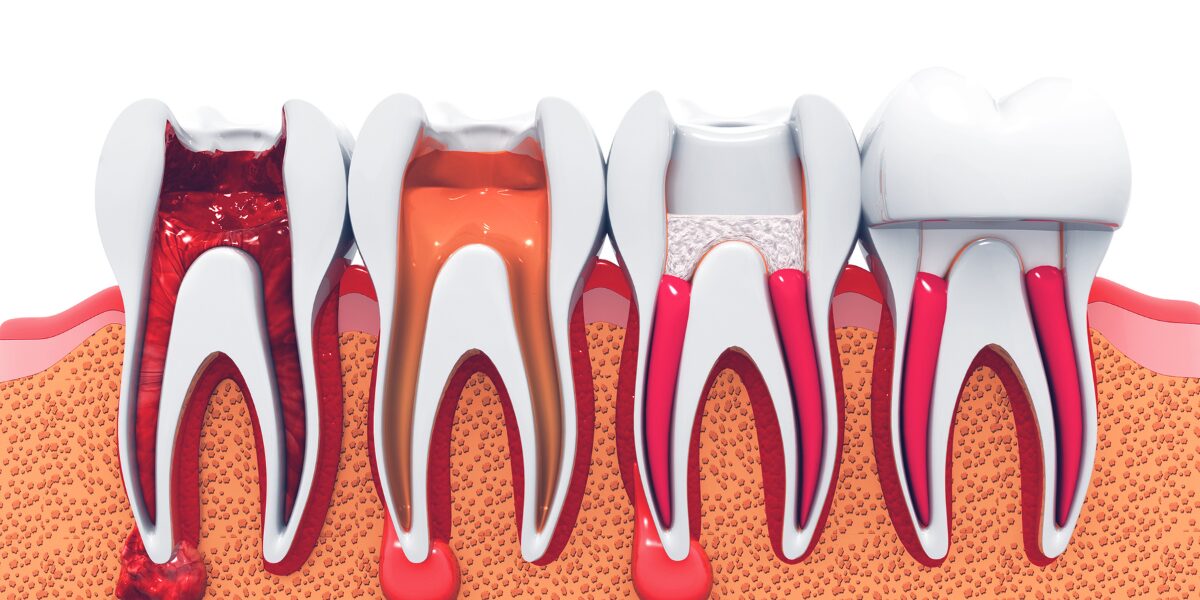
Not every toothache requires a root canal, but severe or lingering pain is often a warning sign that something more serious is happening inside the tooth. The innermost part of the tooth, known as the dental pulp, contains nerves, blood vessels, and connective tissue. When bacteria reach this area, inflammation and infection can develop.
Several problems may lead to pulp damage, including:
- Deep tooth decay
- Cracked or fractured teeth
- Repeated dental procedures on the same tooth
- Trauma caused by an injury
- Large untreated cavities
Once bacteria enter the pulp, the body’s natural healing process cannot remove the infection on its own. The pressure that builds inside the tooth often causes intense pain that continues until treatment is provided.
Signs You May Need a Root Canal
While only a dentist can determine whether a root canal is necessary, several symptoms commonly indicate an infected tooth.
Persistent tooth pain is one of the most common warning signs. The discomfort may come and go at first before becoming constant. Some people experience sharp pain while chewing, while others notice a dull ache that spreads into the jaw or nearby teeth.
Other symptoms include:
- Sensitivity to hot or cold that lingers after the source is removed
- Swollen or tender gums near the painful tooth
- Darkening or discoloration of the affected tooth
- A small bump on the gums that may drain fluid
- Pain when biting or applying pressure
Ignoring these symptoms can allow the infection to worsen, increasing the chances of tooth loss or a more widespread infection.
How a Root Canal Saves Your Natural Tooth
A root canal is designed to remove infection while preserving the outer structure of the tooth. Rather than extracting the damaged tooth, the dentist carefully cleans the inside and seals it to prevent bacteria from returning.
The procedure generally follows several steps:
First, the dentist numbs the area to keep the patient comfortable throughout treatment. A small opening is created in the tooth, so the infected pulp can be removed. Tiny instruments are used to thoroughly clean and disinfect the root canals. After cleaning, the space is filled with a safe dental material that seals the canals.
In many cases, a dental crown is later placed over the treated tooth to restore its strength and protect it from future damage. This allows patients to continue using their natural tooth for many years with proper oral care.
Why Saving Your Natural Tooth Matters
Whenever possible, dentists recommend preserving a natural tooth instead of removing it. Your natural teeth are designed to work together for efficient chewing, clear speech, and proper alignment. Losing a tooth can create gaps that allow neighboring teeth to shift out of place, which may affect your bite over time.
A root canal eliminates the infection while keeping the tooth in its original position. This often helps patients avoid more extensive treatments such as bridges, partial dentures, or dental implants. Preserving your natural tooth also helps maintain the health of the surrounding jawbone, since the tooth’s root continues to stimulate the bone during everyday chewing.
With good oral hygiene and regular dental visits, a tooth that has undergone a root canal can continue to function for many years. Choosing treatment early often results in a better long-term outcome than waiting until extraction becomes the only option.
Recovery After a Root Canal
Most patients are pleasantly surprised by how quickly they recover after a root canal. Mild soreness or sensitivity is common for a few days as the surrounding tissues heal, but the severe pain caused by the infection usually improves shortly after treatment.
Following your dentist’s aftercare instructions supports a smooth recovery. These recommendations may include:
- Take prescribed or over-the-counter pain medication as directed.
- Avoid chewing on the treated tooth until the permanent restoration is placed.
- Brush and floss gently while keeping the area clean.
- Attend follow-up appointments so your dentist can evaluate healing and complete the final restoration.
Once the permanent crown or filling is in place, most patients can return to eating and speaking normally. Maintaining good oral hygiene and routine dental checkups helps protect the treated tooth and the rest of your smile.
When to See a Dentist Immediately
Severe tooth pain should never be ignored or treated only with home remedies. While pain relievers may temporarily reduce discomfort, they cannot remove the infection causing the problem.
Schedule a dental appointment as soon as possible if you experience:
- Severe or constant tooth pain
- Swelling around the gums, face, or jaw
- Persistent sensitivity to hot or cold
- Pain that makes it difficult to eat or sleep
- A cracked tooth accompanied by pain
- A pimple-like bump on the gums near a painful tooth
Prompt treatment can prevent the infection from spreading to nearby tissues and improve the chances of saving your natural tooth. Early diagnosis also allows your dentist to recommend the most appropriate treatment before the damage becomes more extensive.
Conclusion
Severe tooth pain is your body’s way of telling you that something is wrong. Waiting for the pain to disappear on its own can allow an infection to spread, increasing the risk of losing the affected tooth and creating additional oral health concerns. A root canal is a safe and effective treatment that removes infection, relieves pain, and preserves your natural tooth whenever possible. Modern techniques have made the procedure far more comfortable than many people expect, allowing patients to return to their daily routines with improved comfort and confidence. If you are experiencing ongoing tooth pain, sensitivity, swelling, or discomfort when chewing, scheduling a dental evaluation as soon as possible is the best step toward protecting your smile. The experienced team at Renova Smiles is committed to providing compassionate care and personalized treatment to help restore your oral health. Contact us today to schedule your appointment and take the first step toward lasting relief.


