
Missing Teeth? Here’s Why Dental Implants Are Worth Every Penny
Missing a tooth can affect much more than the appearance of your smile. You might find yourself avoiding certain foods, covering your mouth when laughing, or feeling uncomfortable during conversations. Over time, a missing tooth can also affect your bite, place extra pressure on neighboring teeth, and contribute to changes in your jawbone. These concerns can make everyday activities more difficult than they need to be.
Fortunately, modern dentistry offers a reliable way to replace missing teeth. Dental implants are designed to replace tooth roots and support artificial teeth that look and function much like natural teeth. Unlike traditional dentures or some dental bridges, implants are placed in the jawbone, providing a stable foundation for a replacement tooth.
Although dental implants often cost more upfront than other tooth replacement options, their long-term benefits can make them a worthwhile investment. They can help preserve jawbone structure, restore chewing ability, and provide a durable solution for people who want to regain confidence in their smiles.
Understanding how dental implants work, what they cost, and what benefits they offer can help you make an informed decision about your oral health. The right treatment depends on your dental condition, overall health, budget, and long-term goals, but dental implants are worth considering for many people with missing teeth.
Dental Implants Look and Function Like Natural Teeth
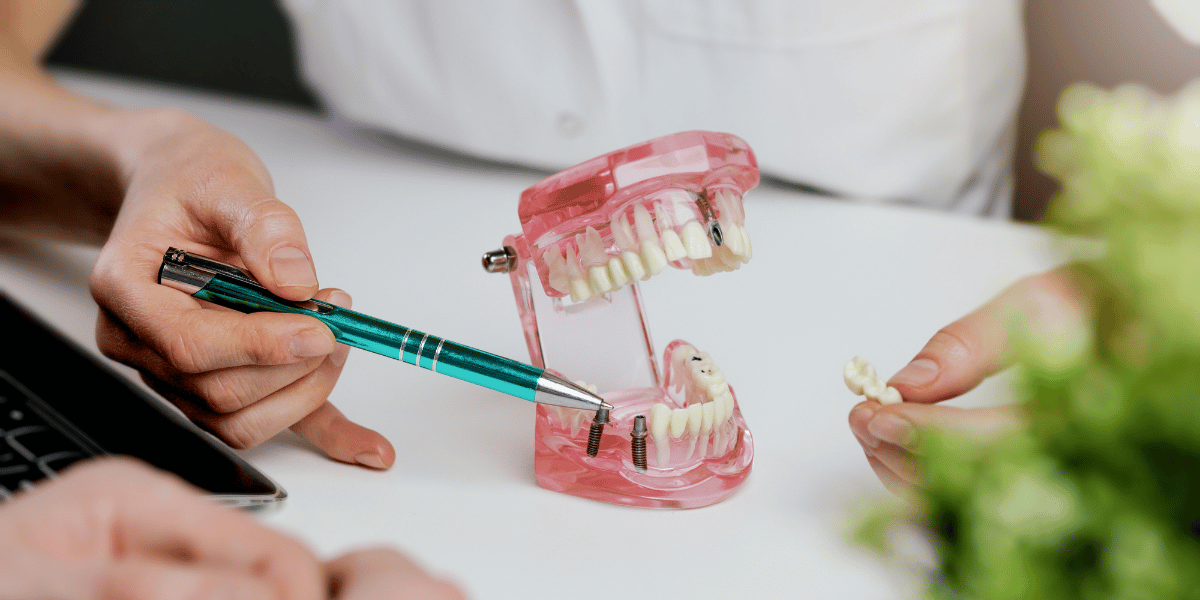
One of the biggest advantages of dental implants is their ability to closely replicate the appearance and function of natural teeth. A dental implant consists of a small post, usually made of titanium, that is placed in the jawbone. Once the implant bonds with the surrounding bone, it can support a dental crown, bridge, or denture.
The visible crown is custom-made to match the color, shape, and size of your natural teeth. This helps create a more natural-looking smile without the appearance of a removable replacement.
Implants also provide stability when eating and speaking. Because they are anchored in the jawbone, they do not shift around like loose dentures can. This can make biting into certain foods and speaking clearly more comfortable.
However, the final appearance and function depend on factors such as the condition of your gums, the amount of available bone, and the quality of the restoration. Your dentist will evaluate these factors before recommending treatment.
They Help Preserve Your Jawbone
Your teeth do more than help you chew. Their roots stimulate the jawbone during normal biting and chewing, helping maintain the bone that supports them.
When a tooth is lost, the surrounding jawbone no longer receives the same stimulation. As a result, bone loss can occur in the area over time. This process, known as bone resorption, may gradually change the shape of the jaw and affect the support available for neighboring teeth.
Dental implants help address this concern because they are placed directly into the jawbone. The implant transfers chewing forces to the bone, providing stimulation that other tooth replacement options generally cannot offer in the same way.
Although implants can help maintain bone around the implant site, they do not prevent every form of bone loss or guarantee that the entire jawbone will remain unchanged.
Preserving bone structure is particularly important for people who have been missing teeth for several years. Depending on the amount of existing bone, a dentist may recommend a bone graft before implant placement to provide adequate support.
Dental Implants Can Protect Your Remaining Teeth
A missing tooth can affect the teeth surrounding the empty space. Neighboring teeth may gradually shift toward the gap, changing their alignment and affecting how your upper and lower teeth meet when you bite.
These changes can make cleaning between teeth more difficult and may contribute to uneven chewing forces. In some cases, the altered bite can place additional stress on certain teeth.
Dental implants replace the missing tooth without requiring the neighboring teeth to serve as supports. This is an important distinction between an implant and a traditional tooth-supported bridge.
With a conventional bridge, the teeth on either side of the gap usually need to be prepared to support the replacement tooth. An implant-supported crown, on the other hand, can stand independently when the surrounding conditions allow it.
Keeping neighboring teeth intact is a significant advantage, particularly when those teeth are healthy. However, implants still require careful planning, good oral hygiene, and regular dental visits to protect the surrounding gums and bone.
They Offer Long-Term Value Despite the Initial Cost
Dental implants generally have a higher upfront cost than dentures or traditional bridges. The total expense can vary depending on how many teeth need replacement, the type of restoration, the materials used, and whether additional procedures are necessary.
For example, some patients may need tooth extraction, bone grafting, or treatment for gum disease before implant placement. These procedures can increase the overall cost and extend the treatment timeline.
However, evaluating the price alone does not provide the full picture. Dental implants can last for many years when properly placed and cared for. The implant itself may last decades, although the crown or other attached restoration may eventually require repair or replacement.
Other tooth replacement options can also provide lasting results, but their maintenance and replacement needs differ. Dentures may need adjustments as the mouth changes, while bridges may eventually require replacement or treatment of supporting teeth.
The long-term value of an implant depends on its initial cost, ongoing care, and individual circumstances. Asking for a complete treatment estimate, including follow-up visits and potential additional procedures, can help you compare your options more accurately.
Dental Implants Make Eating and Speaking More Comfortable
Missing teeth can make ordinary activities surprisingly frustrating. Depending on which teeth are affected, you may struggle to bite into firm foods, chew evenly, or pronounce certain sounds clearly.
Removable dentures can help restore these functions, but some people experience movement, discomfort, or difficulty adapting to them. Dental implants provide a fixed foundation that can make chewing feel more stable.
An implant-supported crown functions much like an individual tooth, allowing you to bite and chew a wide range of foods once healing is complete and your dentist approves normal use.
Implant-supported dentures can also offer greater stability than conventional removable dentures, particularly for people missing most or all of their teeth.
It is important to remember that dental implants do not eliminate every dietary restriction or guarantee that chewing will feel exactly as it did before tooth loss. Healing time, the location of the implant, and the type of restoration all influence the outcome.
Following your dentist’s instructions during recovery helps protect the implant while the surrounding bone heals.
Proper Care Helps Dental Implants Last
Dental implants are designed to be durable, but they are not completely maintenance-free. The surrounding gums and bone must remain healthy to support the implant over time.
Poor oral hygiene can allow plaque and bacteria to accumulate around the implant. This may lead to inflammation of the surrounding gums, known as peri-implant mucositis. If the condition progresses and affects the supporting bone, it can develop into peri-implantitis, which may threaten implant stability.
Fortunately, consistent care can help reduce these risks.
Brush twice daily with a soft-bristled toothbrush and clean between your teeth using dental floss or other tools recommended by your dentist. Special brushes or water flossers may be useful for cleaning around certain implant restorations.
Regular dental checkups are equally important. Your dentist can assess the implant, examine the surrounding tissues, and identify potential problems before they become more serious.
Smoking, poorly controlled diabetes, a history of gum disease, and inadequate oral hygiene can increase the risk of complications. These factors do not automatically disqualify someone from receiving implants, but they may affect treatment planning and long-term success.
With appropriate treatment, daily cleaning, and professional monitoring, dental implants can provide a dependable tooth replacement option for many years.
Conclusion
Living with missing teeth can affect your confidence, comfort, and ability to enjoy everyday activities. Dental implants offer a long-term solution by replacing missing tooth roots, supporting natural-looking restorations, helping preserve bone around the implant site, and providing stability when eating and speaking. While the initial investment may be higher than that of dentures or traditional bridges, their durability and functional benefits can make them a worthwhile option for suitable candidates. However, the best treatment depends on your oral health, bone condition, medical history, and financial considerations. A thorough dental examination is essential to determine whether implants are appropriate for you and what your treatment may involve. If you are ready to explore your options for replacing missing teeth, Renova Smiles can help you take the next step toward a healthier, more confident smile. Schedule a consultation today to discuss your dental concerns, understand your treatment options, and find a solution that fits your needs.


