
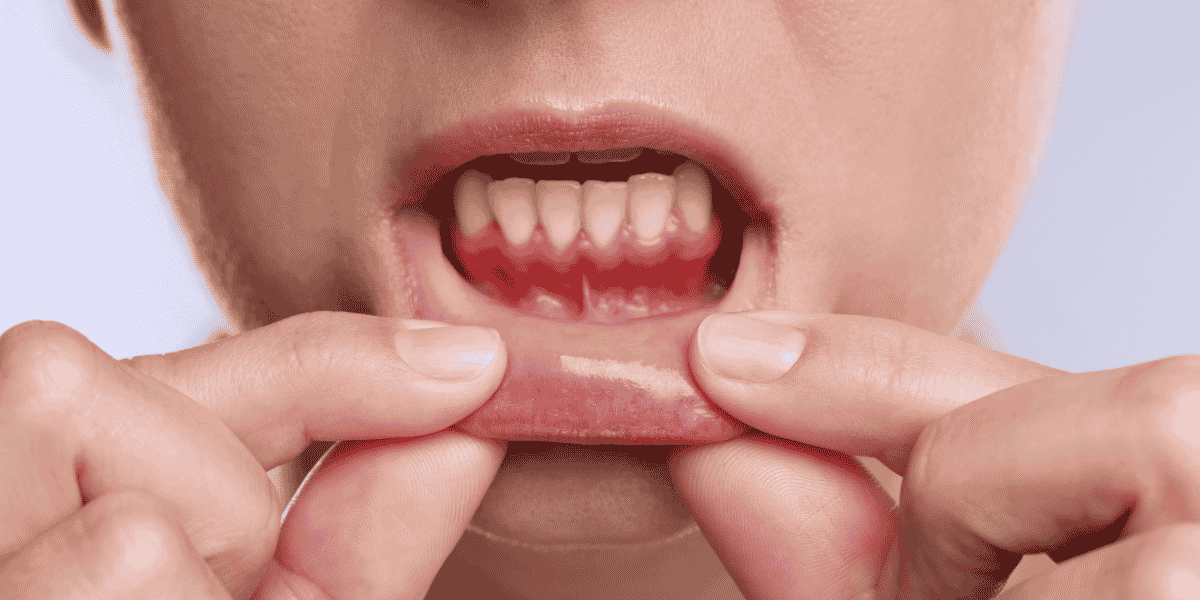
How to Improve Your Gum Health at Home
Healthy gums are the foundation of a healthy smile, yet many people focus only on their teeth while overlooking the importance of gum care. Bleeding gums, tenderness, persistent bad breath, and gum sensitivity are often early warning signs of gum problems that should never be ignored. Poor gum health can affect not only your smile but also your overall well-being, making prevention and daily care essential.
Many adults experience some form of gum inflammation or gum disease during their lifetime. Factors such as stress, poor oral hygiene habits, smoking, diet, and medical conditions can all contribute to gum issues. The good news is that improving your gum health at home is possible with consistent habits and the right guidance. Even small changes to your routine can make a significant difference over time.
Renova Smiles believes that education and prevention are key to maintaining healthy gums and a confident smile. Understanding what causes gum problems and learning how to care for your gums properly can help reduce your risk of gingivitis, periodontal disease, and tooth loss. This guide will walk you through practical strategies to improve gum health naturally, recognize warning signs early, and know when professional dental care may be necessary.
By the end of this article, you will understand how daily habits, nutrition, oral hygiene techniques, and routine dental visits work together to support long-term gum health. Whether you are trying to prevent gum disease or improve existing symptoms, these expert-backed tips can help you build a stronger and healthier smile.
Maintaining healthy gums is not just about appearance. Gum disease has been linked to broader health concerns including diabetes, heart disease, and inflammation throughout the body. This makes taking care of your gums an important part of your overall health routine. With the right approach and consistency, you can protect your gums and preserve your smile for years to come.
Table of Contents
- What Is Gum Health and Why Does It Matter?
- Daily Habits That Support Healthy Gums
- Foods and Lifestyle Choices That Affect Gum Health
- When to See a Dentist for Gum Problems
- Frequently Asked Questions
What Is Gum Health and Why Does It Matter?
Gum health refers to the condition of the soft tissues that surround and support your teeth. Healthy gums should appear pink, firm, and free from swelling or bleeding. When plaque and bacteria accumulate along the gumline, inflammation can begin, leading to gingivitis and eventually periodontal disease if left untreated. Understanding the importance of gum health is the first step toward preventing long-term dental complications.
One of the biggest misconceptions about oral health is that brushing alone is enough to maintain healthy gums. In reality, gum health depends on a combination of brushing, flossing, professional cleanings, proper nutrition, and lifestyle choices. Early gum disease may not cause pain, which is why many people fail to recognize the warning signs until the condition becomes more advanced. Symptoms such as bleeding while brushing, chronic bad breath, gum recession, and loose teeth should never be ignored.
Poor gum health can have serious consequences beyond the mouth. Research from the Centers for Disease Control and Prevention (CDC) shows that periodontal disease has been associated with systemic health conditions including diabetes and cardiovascular disease. Regular oral hygiene and preventive care can help lower the risk of complications and support overall wellness.
Plaque buildup is one of the primary causes of gum disease. Plaque is a sticky film of bacteria that forms on teeth throughout the day. If not removed properly, it hardens into tartar, which can only be removed through professional dental cleaning. Tartar buildup irritates the gums and creates pockets where bacteria thrive, increasing the risk of infection and inflammation.
Another important factor in gum health is consistency. Brushing occasionally or flossing only when food gets stuck between teeth is not enough to protect your gums. Daily habits performed correctly are far more effective than aggressive brushing done inconsistently. Gentle brushing with a soft-bristled toothbrush and fluoride toothpaste twice a day is typically recommended.
Stress can also negatively affect gum health. Chronic stress weakens the immune system and increases inflammation, making it harder for the body to fight off infections in the gums. Additionally, stressed individuals may neglect oral hygiene routines or develop habits like teeth grinding, which can contribute to gum irritation.
Smoking and tobacco use remain major risk factors for gum disease. Tobacco restricts blood flow to the gums, slows healing, and weakens the immune response. Smokers are significantly more likely to develop advanced periodontal disease and experience tooth loss compared to non-smokers.
The good news is that gum disease is often preventable and manageable, especially when caught early. Simple lifestyle changes and regular dental care can dramatically improve gum health and reduce the risk of complications. Understanding the causes and warning signs empowers individuals to take proactive steps toward healthier gums and a healthier smile.
Daily Habits That Support Healthy Gums
Healthy gums begin with strong daily oral hygiene habits. Consistency is one of the most important factors in preventing gum disease and maintaining long-term oral health. While professional dental visits are essential, the habits you practice at home every day have the biggest impact on your gum health over time.
Brushing your teeth properly twice a day is the foundation of healthy gums. Many people brush too aggressively, believing harder brushing cleans better. However, brushing too hard can actually damage gum tissue and contribute to gum recession. Using a soft-bristled toothbrush and gentle circular motions helps remove plaque while protecting the gums.
Flossing is equally important because toothbrushes cannot fully clean between teeth and along the gumline. Daily flossing removes plaque and food particles that contribute to gum inflammation. Skipping flossing allows bacteria to accumulate in hard-to-reach areas, increasing the risk of gingivitis and periodontal disease.
An antibacterial mouthwash can also support gum health by reducing bacteria and freshening breath. While mouthwash should not replace brushing or flossing, it can be a helpful addition to a complete oral hygiene routine. Look for products recommended by dental professionals and approved by the American Dental Association (ADA).
Hydration plays a bigger role in gum health than many people realize. Drinking water throughout the day helps wash away food debris and bacteria while promoting saliva production. Saliva naturally protects the mouth by neutralizing acids and preventing dry mouth, which can increase bacterial growth.
Replacing your toothbrush regularly is another simple but important habit. Dentists generally recommend changing toothbrushes every three to four months or sooner if the bristles become frayed. Worn bristles are less effective at removing plaque and may irritate the gums.
People who wear braces, aligners, dentures, or dental appliances should pay extra attention to gum care. These devices can trap bacteria and make cleaning more difficult, increasing the risk of gum irritation. Specialized brushes and flossing tools may help improve cleaning efficiency.
Routine dental cleanings are essential even for individuals with excellent home care habits. Professional cleanings remove hardened tartar that cannot be eliminated through brushing alone. Regular exams also allow dentists to detect early signs of gum disease before more serious damage occurs. Learn more about preventive dental care by visiting the Renova Smiles preventive dentistry page.
Another often overlooked habit is cleaning the tongue. Bacteria can accumulate on the tongue’s surface and contribute to bad breath and oral bacteria levels. Tongue scrapers or toothbrushes with tongue cleaners can help improve oral hygiene and support healthier gums.
Nighttime oral hygiene is especially important because saliva production decreases while sleeping. Going to bed without brushing and flossing allows bacteria to remain active overnight, increasing plaque buildup and gum irritation. Creating a consistent bedtime oral care routine can significantly improve gum health over time.
People with sensitive gums should avoid products containing harsh alcohols or abrasive whitening ingredients unless recommended by a dentist. Gentle, non-irritating products are often better for maintaining healthy gum tissue.
Consistency matters more than perfection. Small daily efforts performed regularly can greatly reduce the risk of gum disease and support a healthier smile for years to come.
Foods and Lifestyle Choices That Affect Gum Health
Your diet and lifestyle habits directly influence your gum health. While brushing and flossing are essential, nutrition and daily choices also determine how well your body fights inflammation and maintains healthy gum tissue.
Foods rich in vitamins and minerals help strengthen the immune system and support gum repair. Vitamin C is especially important because it helps maintain connective tissues and reduces inflammation. Citrus fruits, strawberries, bell peppers, and leafy greens are excellent sources of vitamin C that support healthier gums.
Calcium and vitamin D are also important for oral health because they help strengthen teeth and supporting bone structures. Dairy products, fortified foods, almonds, and certain fish can help provide these essential nutrients. A balanced diet supports the body’s ability to resist infection and heal damaged tissues.
Sugary foods and beverages contribute to plaque buildup and bacterial growth. Frequent consumption of sugary snacks creates an environment where harmful bacteria thrive, increasing the risk of cavities and gum disease. Limiting sugary drinks and processed foods can significantly improve oral health outcomes.
Crunchy fruits and vegetables such as apples, carrots, and celery may also benefit gum health. These foods stimulate saliva production and help gently clean the teeth while chewing. While they should not replace brushing, they can complement a healthy oral care routine.
Smoking remains one of the most damaging lifestyle habits for gum health. Tobacco weakens the immune system, reduces oxygen flow to gum tissue, and delays healing. Smokers may not notice early gum disease symptoms because smoking can reduce bleeding, masking inflammation until the disease becomes more severe.
Alcohol consumption can also contribute to dry mouth and bacterial imbalance. Excessive alcohol use may irritate oral tissues and increase the risk of gum disease over time. Staying hydrated and moderating alcohol intake can help support better oral health.
Stress management is another important component of gum care. Chronic stress affects the immune system and increases inflammation throughout the body, including the gums. Stress may also lead to behaviors such as teeth grinding, jaw clenching, smoking, or neglecting oral hygiene routines.
Sleep quality can impact gum health as well. Poor sleep has been associated with increased inflammation and reduced immune function. Prioritizing quality rest supports the body’s natural healing and defense systems.
Certain medical conditions and medications may also affect gum health. Diabetes, hormonal changes, autoimmune disorders, and medications that cause dry mouth can all increase the risk of gum disease. Individuals with underlying health conditions should work closely with both medical and dental professionals to maintain oral health.
Understanding how lifestyle habits influence gum health empowers people to make healthier choices every day. Small improvements in diet, hydration, stress management, and tobacco avoidance can significantly reduce the risk of gum disease and improve overall wellness.
Renova Smiles understands that every patient has unique oral health needs. Personalized dental care and preventive guidance can help individuals identify risk factors and develop effective strategies for protecting their gums long-term.
When to See a Dentist for Gum Problems
While home care is essential, some gum problems require professional treatment. Recognizing when to see a dentist can help prevent minor issues from developing into serious periodontal disease.
Bleeding gums are one of the most common warning signs that professional evaluation may be needed. Occasional irritation can happen, but persistent bleeding during brushing or flossing often indicates inflammation caused by plaque buildup or gum disease.
Swollen, red, or tender gums should also be evaluated by a dental professional. Healthy gums should not feel painful or appear inflamed. Ongoing discomfort may signal infection or irritation that requires treatment.
Bad breath that does not improve with brushing and mouthwash may also indicate underlying gum problems. Bacteria trapped beneath the gumline can produce persistent odors and contribute to infection. Professional cleaning and evaluation can help identify the source of the issue.
Gum recession is another important warning sign. Receding gums expose tooth roots, increasing sensitivity and the risk of decay. Gum recession may result from aggressive brushing, periodontal disease, grinding, or other oral health issues. Early intervention can help prevent further tissue loss.
Loose teeth should never be ignored. Advanced gum disease can damage the supporting bone and tissues around teeth, eventually leading to tooth mobility and tooth loss. Prompt treatment improves the chances of preserving natural teeth.
Professional periodontal treatments vary depending on the severity of the condition. Mild gingivitis may improve with professional cleaning and improved home care, while more advanced disease may require deep cleaning procedures such as scaling and root planing.
Dentists may also recommend specialized maintenance visits for patients with a history of periodontal disease. More frequent cleanings help reduce plaque buildup and monitor gum health closely.
Preventive dental visits remain one of the best ways to protect gum health. Routine exams allow dental professionals to identify early signs of disease before serious complications develop. Early treatment is typically less invasive, more affordable, and more effective.
Patients who experience tooth sensitivity, gum pain, or changes in their bite should schedule an evaluation promptly. These symptoms may indicate underlying dental or periodontal problems that require attention.
Renova Smiles is committed to helping patients maintain healthy gums through preventive care, education, and personalized treatment plans. By combining professional dental care with strong home habits, patients can significantly reduce their risk of gum disease and maintain healthier smiles for years to come.
Frequently Asked Questions About Gum Health
What are the early signs of gum disease?
Early signs of gum disease include bleeding while brushing or flossing, swollen gums, persistent bad breath, gum tenderness, and redness around the gumline. Early detection and treatment can help prevent the condition from progressing into more serious periodontal disease.
Can gum disease be reversed at home?
Mild gingivitis may improve with proper brushing, flossing, and professional dental cleanings. However, advanced periodontal disease usually requires professional treatment to remove bacteria and tartar beneath the gums.
How often should I floss for healthy gums?
Most dental professionals recommend flossing at least once daily. Regular flossing removes plaque and food particles between teeth where toothbrushes cannot reach, helping reduce inflammation and support healthy gums.
Does diet affect gum health?
Yes. A balanced diet rich in vitamins, minerals, and hydration supports healthy gums and immune function. Excess sugar and processed foods can contribute to plaque buildup and increase the risk of gum disease.
When should I see a dentist for bleeding gums?
If your gums bleed consistently during brushing or flossing, it is important to schedule a dental evaluation. Persistent bleeding may indicate gingivitis or periodontal disease that requires professional care.
Conclusion
Improving your gum health at home starts with consistent daily habits and a proactive approach to oral care. Healthy gums support strong teeth, fresher breath, and better overall wellness. By brushing properly, flossing daily, eating a balanced diet, staying hydrated, and avoiding harmful habits like smoking, you can significantly reduce your risk of gum disease and protect your smile long-term.
Recognizing the warning signs of gum problems early is equally important. Bleeding gums, swelling, sensitivity, and persistent bad breath should never be ignored. Routine dental visits and professional cleanings play a critical role in preventing gum disease and maintaining healthy oral tissues.
Renova Smiles is dedicated to helping patients achieve healthier smiles through preventive care, patient education, and personalized treatment solutions. With the right combination of home care and professional support, maintaining healthy gums becomes more manageable and effective.
Taking care of your gums today can help you avoid more serious dental complications in the future. Investing in your gum health is an investment in your overall well-being, confidence, and quality of life.
Healthy gums are essential for maintaining a strong, confident smile and preventing long-term dental problems. If you have noticed bleeding gums, swelling, bad breath, or gum sensitivity, now is the perfect time to take action. Early treatment and preventive care can make a significant difference in protecting your oral health and avoiding more advanced gum disease.
Renova Smiles provides comprehensive dental care focused on prevention, education, and long-term oral wellness. Whether you need a routine cleaning, periodontal evaluation, or personalized guidance for improving your gum health at home, our experienced team is here to help.
Our goal is to provide comfortable, patient-focused care that helps individuals maintain healthier smiles for years to come. We believe that strong communication, preventive treatment, and customized oral health strategies are key to successful gum care.
Don’t wait for gum problems to worsen before seeking professional support. Contact Renova Smiles today to schedule your dental visit and take the next step toward healthier gums and a brighter smile.


