
Dental Crowns vs. Fillings: Which Option Is Best for Your Smile?
Finding out that you have a damaged or decayed tooth often leads to an immediate question: What is the best way to repair it? Two of the most common restorative dental treatments are fillings and dental crowns. Both can restore damaged teeth, but they serve different purposes and are recommended based on how much healthy tooth structure remains.
A small cavity, for example, may only require a filling to replace the decayed portion of the tooth. A tooth with extensive decay, a large existing filling, significant cracking, or weakened structure may need the broader protection provided by a crown. Choosing the appropriate restoration is important because dental treatment should do more than address the immediate problem. It should also help the tooth remain functional and stable for years to come.
Understanding the differences between dental crowns and fillings can make treatment recommendations easier to understand. Factors such as the extent of damage, tooth location, bite pressure, appearance, and long-term strength all play a role in determining which option is appropriate.
What Is a Dental Filling?
A dental filling is commonly used to repair a tooth affected by a small to moderate amount of decay or damage. During treatment, the dentist removes the damaged or decayed tooth structure, cleans the area, and places filling material into the space that remains.
Composite resin is a widely used filling material because it can be matched closely to the natural shade of the tooth. Other filling materials may also be appropriate depending on the tooth’s location, the patient’s needs, and the dentist’s clinical recommendation.
One of the primary advantages of a filling is that it allows the dentist to preserve much of the natural tooth. When the damage is limited, removing additional healthy structure may not be necessary.
Fillings can be used to:
- Repair cavities
- Restore minor chips or damage
- Replace some older or damaged fillings
- Rebuild small areas of lost tooth structure
- Restore normal chewing surfaces
However, fillings depend on the surrounding tooth structure for support. If too much of the tooth has been damaged, a filling alone may not provide sufficient protection.
What Is a Dental Crown?
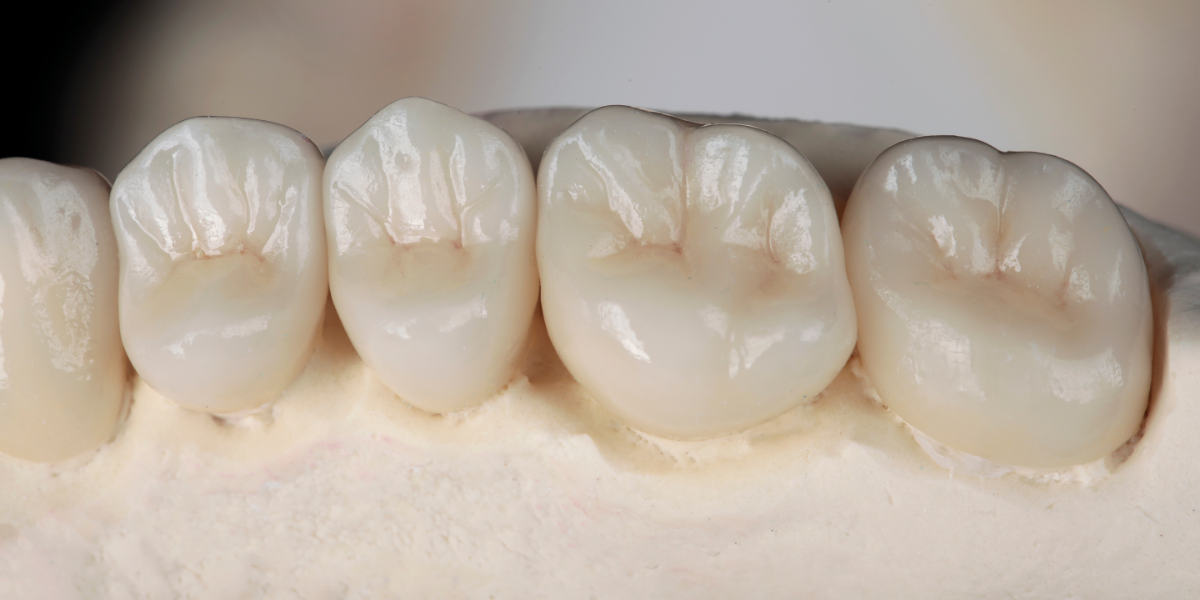
A dental crown is a custom-made restoration designed to cover the visible portion of a damaged or weakened tooth. Rather than filling one specific area, the crown surrounds the tooth to restore its shape, function, and structural support.
Crowns may be made from porcelain, ceramic, zirconia, metal alloys, or combinations of materials. The appropriate material depends on factors such as tooth location, bite forces, appearance, and individual dental needs.
A dentist may recommend a crown when a tooth has:
- Extensive decay
- A very large filling
- Significant cracking or fracture
- Lost a substantial amount of natural structure
- Become weakened after root canal treatment
- Experienced substantial wear or damage
Crowns are especially useful when the remaining tooth may not be strong enough to support a filling over the long term. Covering the tooth helps distribute chewing forces across the restoration rather than concentrating pressure on weakened areas.
How Dentists Decide Between a Crown and a Filling
The amount of healthy tooth structure remaining is one of the most important considerations when choosing between a crown and a filling.
If decay affects only a relatively small portion of the tooth and the remaining structure is strong, a filling may be sufficient. The goal is generally to remove damaged tissue while preserving healthy enamel and dentin whenever possible.
The decision changes when damage becomes more extensive. Placing a large filling in a severely weakened tooth does not necessarily make the tooth strong again. In some situations, the remaining walls can become vulnerable to cracking when exposed to repeated chewing pressure.
Dentists also evaluate the location of the damage, previous dental work, cracks, bite forces, and the condition of the surrounding tooth structure. X-rays and a clinical examination may be used to determine how far decay extends and whether deeper structures are affected.
Treatment recommendations are therefore based on the individual tooth rather than simply choosing one restoration over another.
Which Option Offers Better Strength and Durability?
Both fillings and crowns can provide dependable results when used for the right reasons. Their durability, however, depends on the condition of the tooth, the restorative material, oral hygiene, diet, and biting habits.
A properly placed filling can last for years, particularly when it repairs a relatively small area. Larger fillings may experience greater stress because less natural tooth structure remains around them.
Crowns generally provide more coverage and structural reinforcement for heavily damaged teeth. Because a crown surrounds the visible tooth, it can help protect weakened areas from direct chewing forces.
Neither restoration lasts forever. Fillings may eventually wear, crack, loosen, or develop decay around their edges. Crowns can also wear or become damaged, and decay may develop where the crown meets the natural tooth.
Regular dental examinations allow a dentist to monitor restorations and identify signs of wear before they develop into larger problems.
How Appearance and Tooth Location Affect the Choice
Appearance can be particularly important when restoring teeth that are visible when you smile. Tooth-colored composite fillings can closely match surrounding enamel and are frequently used in visible areas.
Modern dental crowns can also be designed to resemble natural teeth closely. Porcelain, ceramic, and zirconia restorations can reproduce tooth color, shape, and proportions while providing the coverage required for a weakened tooth.
Location matters as well. Back teeth handle substantial chewing forces, which means strength is a major consideration when selecting restorative materials. Front teeth may require greater attention to color, translucency, and shape.
The best restoration balances appearance with function. A treatment that looks natural should also be able to withstand the forces placed on that particular tooth.
Can a Filling Eventually Need to Be Replaced With a Crown?
Yes. A tooth that initially qualifies for a filling may require a crown later in life.
Fillings do not prevent a tooth from experiencing future decay, wear, fractures, or other damage. A filling may also need replacement after years of normal use. Each time substantial restorative work is performed, there may be less natural tooth structure available to support another filling.
For example, a small filling placed years ago may eventually become larger if decay develops around it. If the remaining tooth walls become thin or weakened, replacing the restoration with another large filling may leave the tooth vulnerable to fracture.
At that point, a crown may provide more appropriate coverage and support.
This does not mean that every filled tooth will eventually need a crown. Good oral hygiene, regular dental visits, a balanced diet, and appropriate treatment of teeth grinding or clenching can help restorations and natural teeth remain healthy longer.
Choosing the Right Restoration for Your Tooth
Dental crowns and fillings are both valuable restorative treatments, but the best choice depends on the condition of the individual tooth. Fillings are often appropriate for smaller areas of decay or damage because they restore the affected portion while preserving healthy tooth structure. Crowns provide broader coverage and may be recommended when a tooth has extensive decay, significant cracking, a large existing restoration, or insufficient strength to support another filling. Because symptoms alone cannot show how much internal damage is present, a professional dental examination is the most reliable way to determine which treatment is appropriate. If you have a damaged tooth, an aging filling, sensitivity, or concerns about your dental health, schedule an appointment with Renova Smiles to have the tooth evaluated and discuss the restorative option that can best protect your smile and long-term oral health.


