
Terrified of the Dentist? How Nitrous Oxide Makes Dental Anxiety a Thing of the Past
Fear of the dentist is far more common than many people realize. For some, it is a mild sense of unease before an appointment. For others, it is an overwhelming fear that causes years of delayed care, worsening oral health, and avoidable discomfort. Past negative experiences, sensitivity to sounds or sensations, fear of pain, or even loss of control can all contribute to dental anxiety. Unfortunately, avoiding dental visits often leads to more serious problems that require longer or more involved treatment later on.
Modern dentistry has placed a strong focus on patient comfort, and one of the most trusted tools for easing dental anxiety is nitrous oxide, commonly known as laughing gas. This mild form of sedation has been used safely for decades and continues to help anxious patients receive the care they need without fear. Nitrous oxide does not make patients unconscious. Instead, it creates a sense of calm and relaxation while allowing full communication with the dental team.
Understanding how nitrous oxide works, who can benefit from it, and what to expect during treatment can help patients feel more confident about scheduling appointments. With the right approach, dental visits can become manageable, comfortable, and even stress-free.
What Dental Anxiety Really Feels Like
Dental anxiety affects both children and adults and can show up in many ways. Some patients experience racing thoughts, sweaty palms, or a rapid heartbeat before an appointment. Others may feel tense, restless, or have trouble sleeping the night before a visit. In more severe cases, dental fear can trigger panic attacks or complete avoidance of care.
These reactions are not signs of weakness. Dental anxiety is a learned response, often tied to memories of pain, discomfort, or feeling rushed or unheard during past treatment. Sensory triggers such as the sound of dental tools or the smell of a dental office can also play a role. Recognizing these reactions as legitimate concerns is the first step toward finding a solution that allows patients to move forward with confidence.
What Is Nitrous Oxide and How Does It Work?
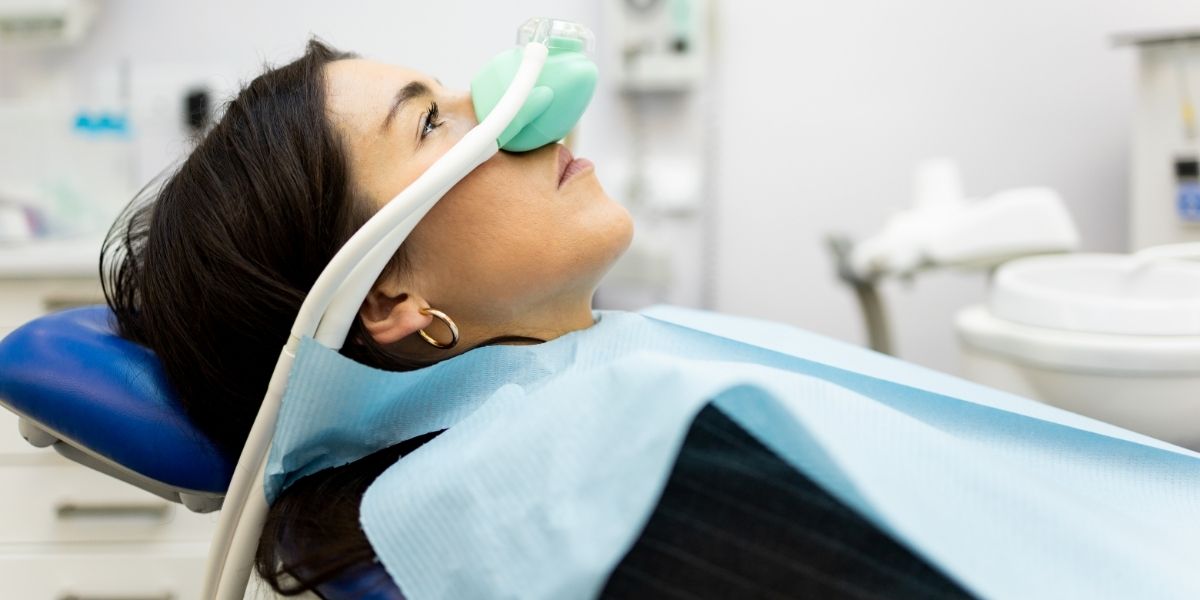
Nitrous oxide is a colorless, odorless gas mixed with oxygen and inhaled through a small mask placed over the nose. Once inhaled, it reaches the brain quickly and produces a calming effect. Patients often describe feeling light, relaxed, or pleasantly detached from their surroundings.
The gas works by slowing the body’s response to stress signals while reducing sensitivity to discomfort. Unlike deeper forms of sedation, nitrous oxide allows patients to remain awake and responsive. The level of relaxation can be adjusted throughout the appointment, making it a flexible option for a wide range of procedures and anxiety levels.
Why Nitrous Oxide Is Ideal for Anxious Patients
One of the biggest advantages of nitrous oxide is how gentle and predictable it is. The effects begin within minutes and wear off just as quickly once the gas is discontinued. This makes it especially helpful for patients who want anxiety relief without lingering grogginess.
Patients remain in control, able to communicate, ask questions, and respond to instructions. Many find that their worries fade into the background, making it easier to tolerate sounds, pressure, or longer appointments. Because nitrous oxide is inhaled rather than swallowed or injected, it is often preferred by patients who are nervous about medications.
Safety and Effectiveness of Nitrous Oxide
Nitrous oxide has an excellent safety record when administered by trained dental professionals. The mixture of oxygen and gas is carefully controlled, and patients are monitored throughout the visit. Side effects are uncommon and usually mild, such as temporary dizziness or nausea, which typically resolve quickly.
This form of sedation is suitable for most patients, including children and seniors, though a full medical history is always reviewed beforehand. Its long-standing use in dentistry and medicine speaks to its reliability and effectiveness in reducing fear without placing unnecessary strain on the body.
What to Expect During a Nitrous Oxide Appointment
Before treatment begins, the dental team explains the process and answers any questions. Once the mask is placed, patients breathe normally and begin to feel relaxed within a few minutes. Some experience a warm sensation, mild tingling, or a sense of calm.
Throughout the procedure, adjustments can be made to maintain comfort. After treatment, the gas is turned off and pure oxygen is delivered for a few minutes to clear it from the system. Most patients feel completely normal shortly afterward and can resume daily activities without assistance.
Long-Term Benefits of Overcoming Dental Fear
Managing dental anxiety does more than make a single visit easier. When fear is reduced, patients are more likely to maintain regular checkups, address issues early, and avoid extensive treatment in the future. This leads to better oral health, lower costs, and improved overall well-being.
Positive, comfortable experiences also help retrain the brain’s response to dental care. Over time, many patients find that their anxiety decreases with each successful visit, creating a healthier relationship with dentistry as a whole.
Dental fear should never stand between a patient and good oral health. Nitrous oxide offers a proven, gentle way to ease anxiety while keeping patients comfortable, aware, and in control. By calming the body’s stress response, it allows dental care to feel manageable rather than overwhelming. For individuals who have delayed treatment due to fear, this approach can make all the difference in restoring confidence and consistency in dental visits.
Choosing a dental team that prioritizes comfort and understands anxiety is essential. If fear has kept you from scheduling an appointment, consider how nitrous oxide sedation may help you feel at ease and supported. At Renova Smiles, compassionate care and patient comfort come first; schedule a consultation today and take the next step toward stress-free dental care.


