
Do Root Canals Hurt? What Really Happens During the Procedure
Few dental treatments inspire as much fear as the root canal. For many people, the phrase alone brings to mind stories of severe pain, long appointments, and difficult recovery. In reality, modern root canal therapy is far different from its reputation. Advances in dental technology, anesthesia, and clinical techniques have changed the experience into one that is focused on comfort and predictable results.
A root canal is not performed to cause pain; it is done to relieve it. When the inner pulp of a tooth becomes infected or inflamed, the discomfort can be intense and persistent. The procedure removes the source of that pain while preserving the natural tooth. Understanding what happens before, during, and after treatment can ease anxiety and help patients feel more confident about their care.
This discussion explains what a root canal involves, whether it hurts, how dentists manage discomfort, and what recovery typically feels like. With clear information and realistic expectations, patients often find that the experience is far easier than they anticipated and well worth the relief it provides.
Why a Root Canal Is Needed
A root canal becomes necessary when the soft tissue inside the tooth, called the pulp, is damaged by deep decay, repeated dental procedures, cracks, or trauma. This pulp contains nerves and blood vessels, so when it becomes infected, pain and swelling often follow. Left untreated, the infection can spread to the surrounding bone and tissues, leading to abscesses and more serious oral health problems.
The goal of a root canal is to remove the infected pulp, clean the inner canals of the tooth, and seal them to prevent future infection. By addressing the issue at its source, the procedure protects the remaining tooth structure and helps maintain proper chewing function.
Does the Procedure Actually Hurt?
The most common concern patients have is whether a root canal hurts. During the procedure itself, discomfort is minimal for most people. Local anesthesia is used to numb the tooth and surrounding area, making the treatment comparable to getting a standard filling. Patients may feel pressure or vibration, but sharp pain is uncommon.
In fact, many people report that the pain they experienced before the procedure was far worse than anything felt during treatment. Once the infected tissue is removed, the tooth is no longer sending pain signals, which often brings immediate relief.
What Happens Step by Step During a Root Canal
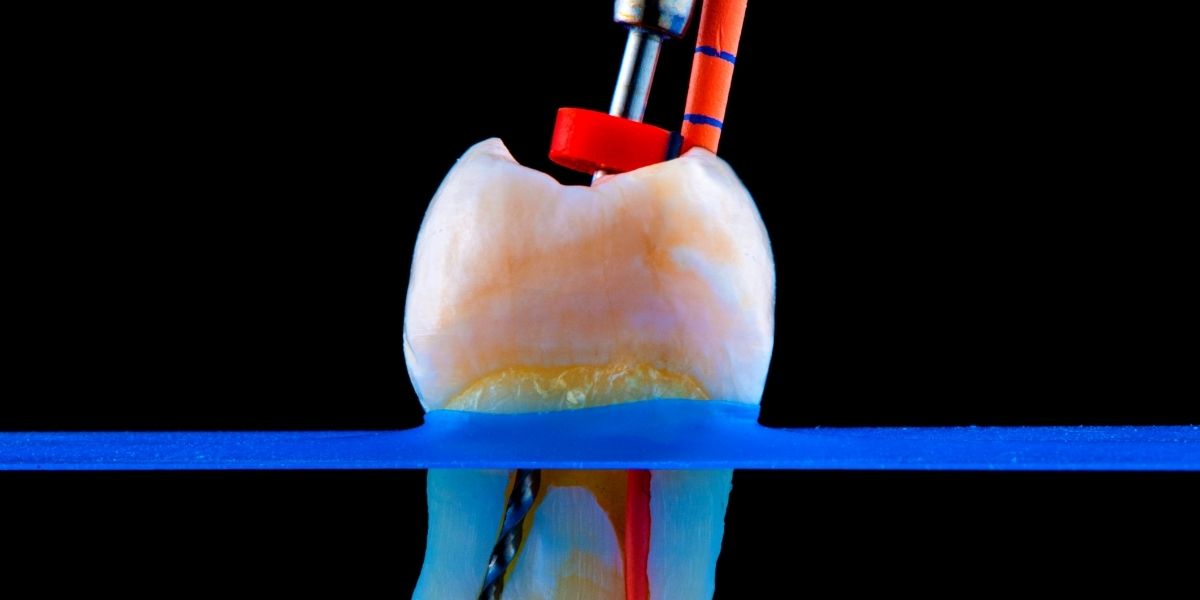
The procedure begins with numbing the area to ensure comfort. A small opening is made in the tooth to access the pulp chamber. Specialized instruments are then used to remove the infected tissue and clean the canals thoroughly. The canals are shaped and disinfected to eliminate bacteria.
After cleaning, the canals are filled with a biocompatible material and sealed to prevent reinfection. In many cases, a temporary filling is placed, followed by a permanent restoration such as a crown to protect the tooth and restore strength.
Pain Management Before, During, and After Treatment
Dentists take pain control seriously at every stage. Before the procedure, anesthesia ensures the area is numb. For patients with dental anxiety, additional options such as oral medication may be offered.
After treatment, mild soreness or tenderness is normal for a few days, especially when chewing. This discomfort is usually manageable with over-the-counter pain relievers. The intensity is far less than the pain caused by the original infection and steadily improves as the tooth heals.
Recovery and What to Expect Afterward
Recovery from a root canal is generally straightforward. Patients are advised to avoid chewing on the treated tooth until it has been fully restored. Pressure sensitivity may occur, but it fades as inflammation resolves.
Good oral hygiene, including brushing and flossing, supports healing. Follow-up appointments ensure the tooth is properly sealed and protected. With proper care, a root canal-treated tooth can function normally for many years.
Common Myths About Root Canals
One persistent myth is that root canals cause illness or are inherently dangerous. Scientific evidence does not support this belief. Another misconception is that extraction is a better option. Preserving the natural tooth through a root canal often leads to better long-term oral health and avoids the need for more extensive dental work.
Root canals are often misunderstood, but they are among the most effective ways to relieve tooth pain and save natural teeth. Thanks to modern techniques and careful pain management, the procedure is typically comfortable and predictable. Most patients are surprised by how manageable the experience is, especially compared to the discomfort caused by untreated infection. Knowing what to expect, from the reasons for treatment to recovery, can replace fear with confidence and help patients make informed decisions about their oral health. If tooth pain or sensitivity has been lingering, prompt care can prevent further complications and restore comfort. For professional guidance and compassionate dental care, scheduling a consultation with Renova Smiles can be the first step toward relief and long-term oral health.


